
Rithihi Textile Tales IV: An inquiry into what it takes to
revive and sustain a craft
When a craft goes extinct, it’s a permanent loss of knowledge and creativity that humans painstakingly assembled for centuries. This loss ripples far beyond a simple style or a product. When a craft is allowed to die, it erases centuries of empirical intelligence as well as ecological and chemical literacy: the exact sound pattern of an accurate double warp-weft weave, how to harvest a dye plant in a manner that saves the seeds for replanting, which river bank hides a specific type of clay, or which month a particular pigment flower blooms… These practices are rooted in embodied intelligence, years of living and learning through trial, error, and observation. They belong with the muscle memory of working hands and attentive minds, making it impossible to record in textbooks or reverse-engineer using technology.
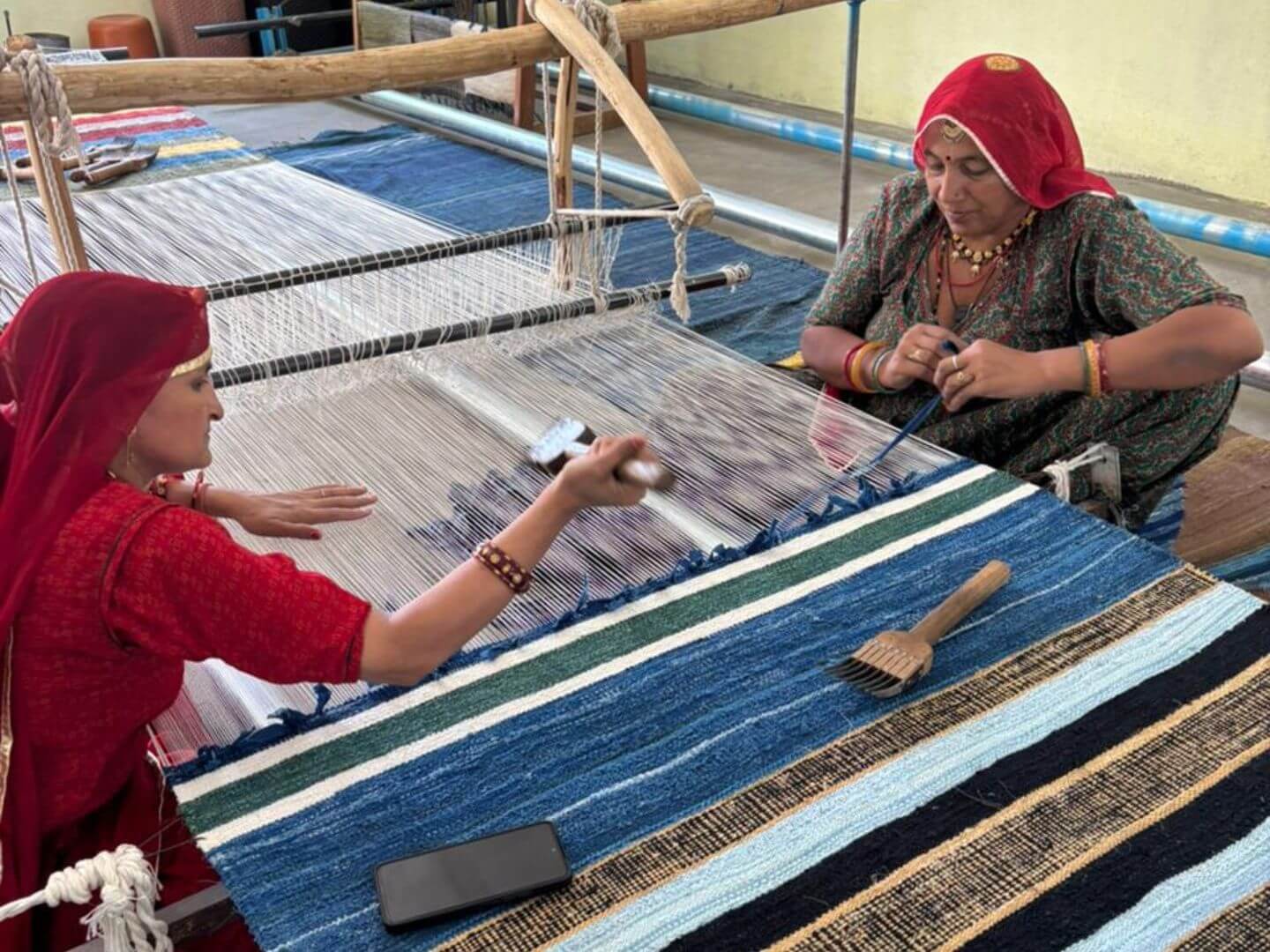
At the same time, the collapse of the craft is the end of an ecosystem; an economic ecosystem built on mutual trust, shared geography, and relational reciprocity. In a functional craft community, farmers, spinners, carders, dyers, weavers, and toolmakers operate in an interdependent micro-supply chain where transactions are often backed by social connections, not just money. When a craft dies, this delicate social infrastructure also collapses.
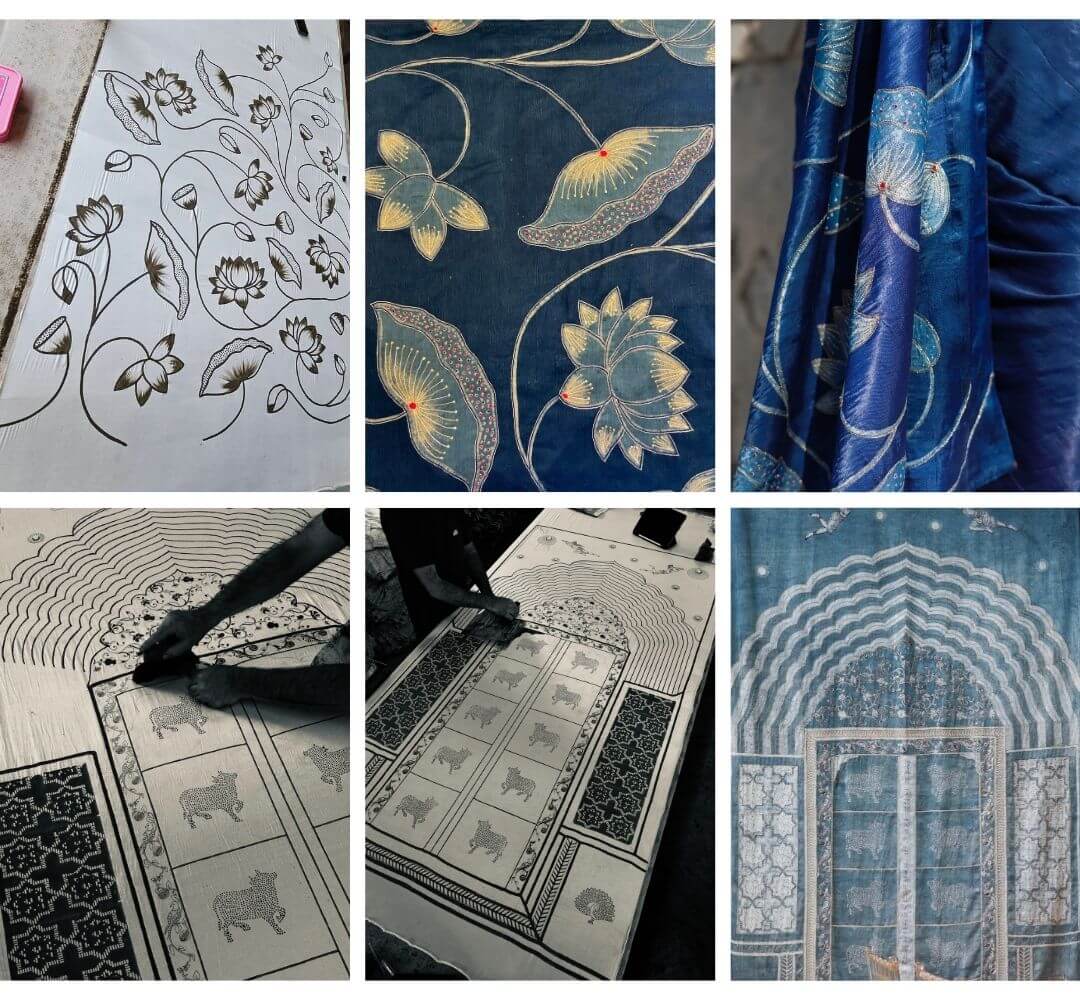
A recent knowledge-sharing session hosted by Rithihi inquired into this painstaking work of revival in order to create a study of what it takes to revitalize near-extinct crafts. This was the fourth edition of Rithihi’s Textile Tales knowledge-sharing series. Inviting Rajasthan-based revivalist designer Alka Sharma to Colombo, and with a documentary screening of Swati Dandekar’s ‘True Blue’ on indigo dye-making communities, Rithihi opened the space for a conversation on what it really takes to revive a craft, and keep it alive.
Here’s what was discussed, shared and understood through Alka Sharma’s talk, the stories portrayed in ‘Neel Raag’ and what we gathered from our own work with Rithihi artisan network for years.
Grown and Sourced Close to Home
Raw materials that can be sourced locally or from the nearby region determines the commercial practicalities of reviving a craft. Proximity changes what an artisan can afford to do with their time. When the artisan has easy access to raw material, the time and resources otherwise spent obtaining it can go instead into quality and creativity. The alternative carries a hidden cost: by the time material reaches an artisan’s workshop from far away; the product already bears a significant price, and to keep it commercially viable, the maker is often forced to compromise the time they can give to refining the craft itself.
When a material is hyperlocal, this relationship deepens even beyond the commercial sensibility. When the raw material is harvested or mined in the artisan’s own village, it creates an ecosystem between nature and makers. In such cases, the artisans often grow the material themselves, or work closely with natural sources like ores, soil deposits and jungles, becoming their guardians in the process.
This is why direct, local, or at the very least, regional access to a raw material becomes a prerequisite to sustainable craft revival.
It Takes a Village; Maker-to-Maker Networks
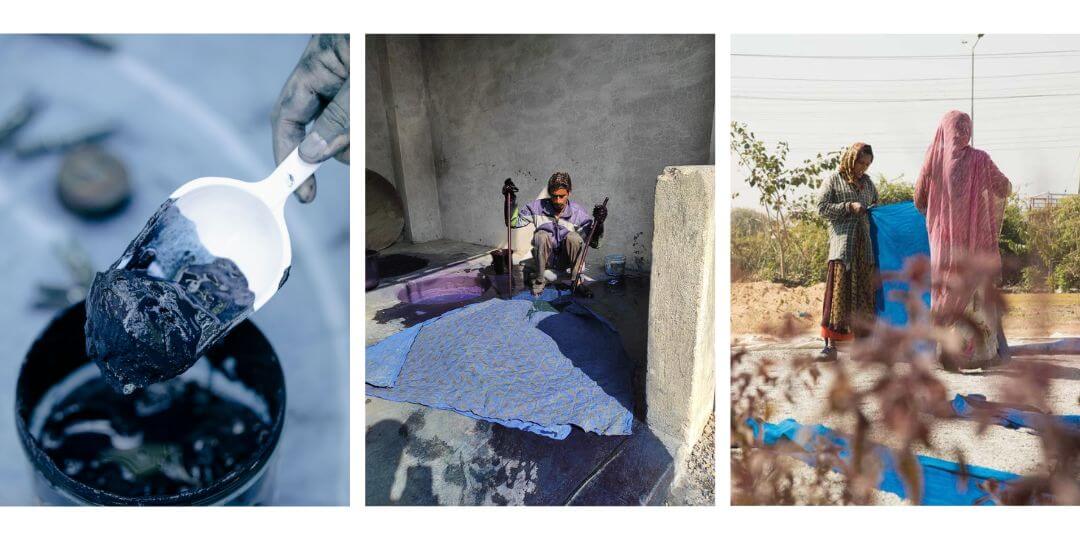
In Swati Dandekar’s documentary ‘Neel Raag’ screened at Rithihi, we saw how deep the roots of a craft ecosystem run, and how this colour mesmerizes, stains, and seeps into the skin, the nails, and the lives of those who craft it.
From dyers and woodblock makers to designer-artisan collaborations, maker-to-maker networks are essential to reviving and sustaining a craft, as well as the way the raw materials will be used. The best example is perhaps how differently indigo is used in Sri Lanka, just across the Palk Strait.
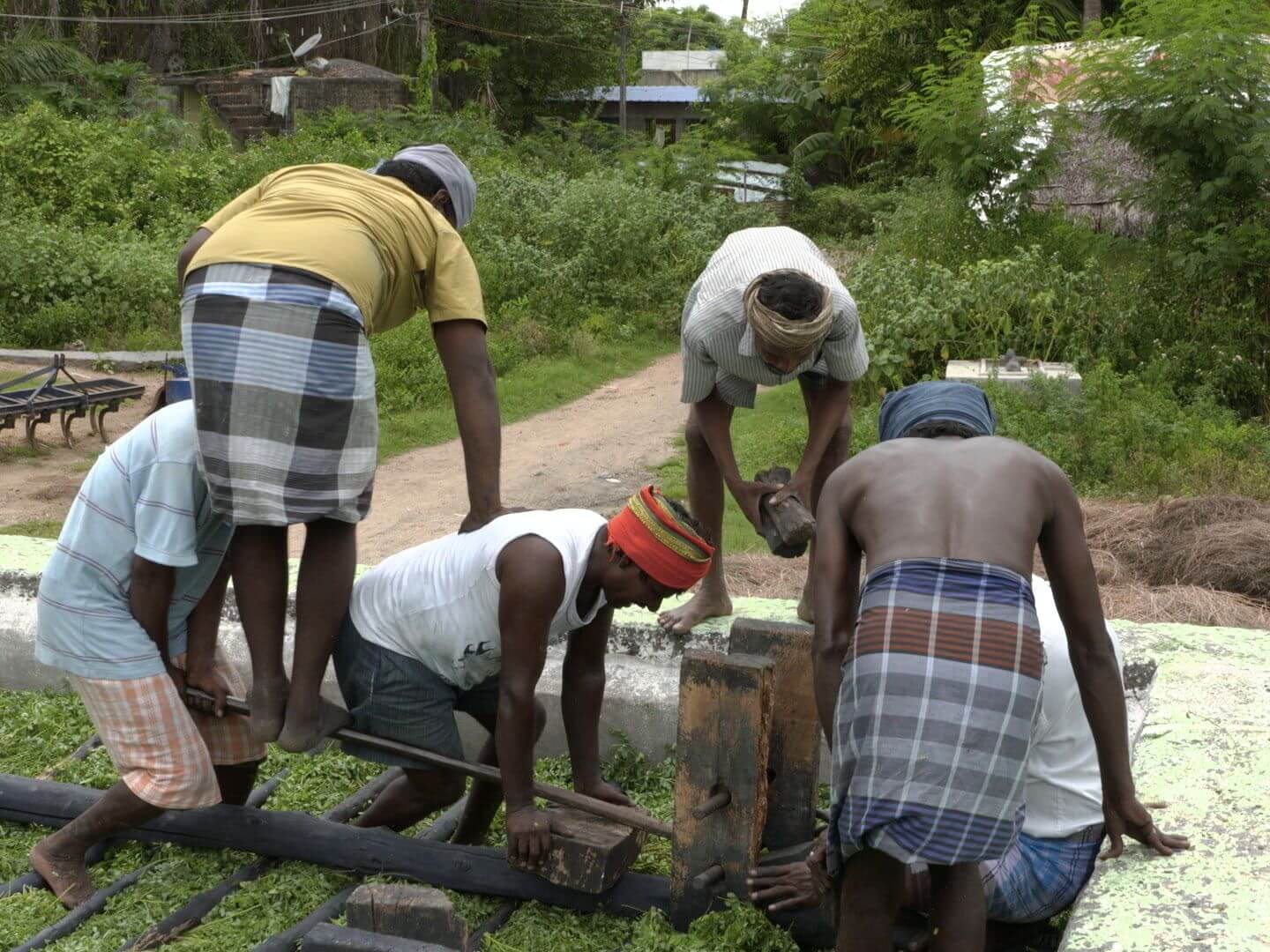
Indigo grows wild in Sri Lanka too. In fact, the tropical nature of Lanka is perfect for indigo. But indigo dye-making for textiles is not practised in Lanka today because there is no artisanal ecosystem that facilitates the complex biochemistry indigo demands prior to dyeing. That singular factor has shaped Sri Lanka’s indigo use. Indigofera tinctoria is known locally as Nil Awariya (නිල් ඇවරියා / அவுரி). In the past, indigo pigment has been used in Sri Lanka to tone saffron robes darker, to make temple painting pigments, and even to make hair extensions. But that was a long time ago. Those maker-to-maker systems that made it possible are no more. Currently, local cultivation is scaled mostly toward herbal oils, such as Neelibhringadi oil. Despite both India and Sri Lanka hosting naturally growing indigo, the stark difference in their usage is an example of how the pigment’s employment is entirely dependent on the maker-to-maker network in the locality.

Why a Domestic Market Inspires Innovation
When a craft is made accessible through the work of brands, organizations, or revival projects, in ways that honour local makers’ lifestyles and rhythms, and facilitate a livelihood they can sustain, it thrives and doesn’t fade when the entity that piloted its reintegration eventually steps back. A craft needs people who will keep sustaining it.
A craft that caters only to a consumer elsewhere runs the risk of stagnation. Consider crafts made predominantly for tourists or for export: the market and the artisan grow disconnected, and there is little pressure toward innovation. When the buyer today is not the buyer next month, it creates the illusion that the same design, pattern, or colour palette can, and should, be produced indefinitely; a path of least resistance that leads to stagnation. A domestic market, by contrast, gives a craft an immediate audience the maker can encounter firsthand, challenging them to renew, improve, and innovate.
Design as a Bridge to Markets

A craft can fade unless something supports it to move, adjust, change and maintain relevance beyond the frames of tradition. That, in Alka Sharma’s telling, is the role of design. Design is not decoration, but the bridge between a tradition and the present reality of the market it’s responding to. Applying design methodologies to traditional craft has been successfully done all over the world and is vastly documented. It marries the intrinsic value of craft with the constant inquiry of a design process to empathize with the user and pivot the craft to respond to genuine market needs.
This moving goalpost of market relevance keeps the craft, and its makers, in practice. As Sharma put it: preservation and innovation cannot exist separately. Stop evolving, and a craft slowly loses its relevance to a changing world; innovate without understanding it fully, and the very knowledge that makes it distinct is what’s lost. The designer’s role is to listen and to build the conditions under which inherited knowledge can continue to find meaning.

The Work of Revival; Never Simple, Absolutely Essential
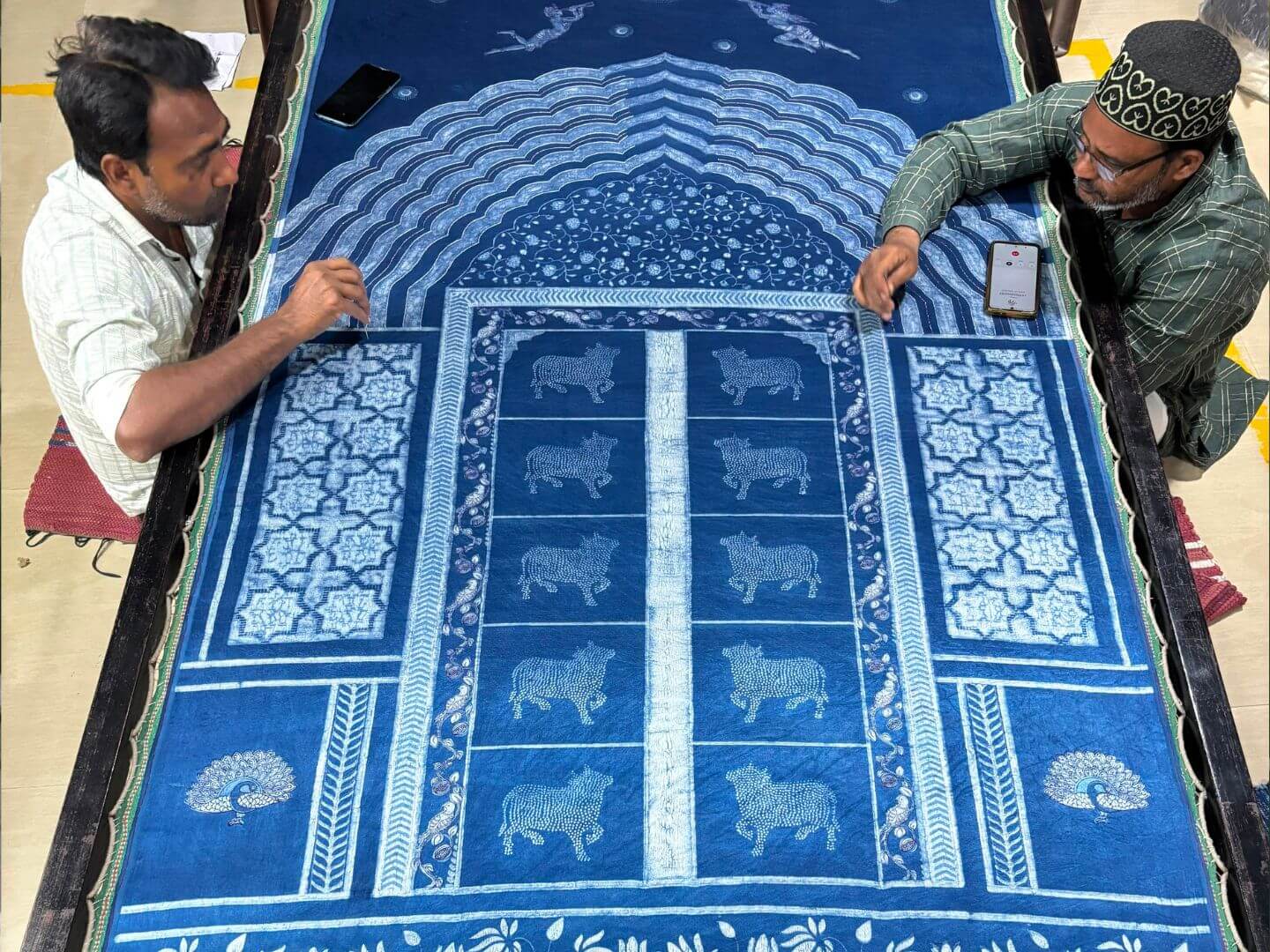
This is why it’s never simple to revive a craft. It takes a mix of courage, love, and hope to believe that a nearly lost craft is worth reviving. That work is never just a single dramatic gesture, but years spent in unglamorous repair; rebuilding motif libraries, rediscovering natural resources, convincing the last remaining artisans that their work matters to this world… Often, such revivalists operate as all dreamers do; following their instinct, failing and trying again and again, usually without a guide or a reference to tried and tested methods. Would active discussion and recording of craft revival methods support future restorative work and help create playbooks and systems for such important work? We think so.
This Textile Tales fourth edition was a step in making room for this absolutely essential conversation. We hope to continue this exploration, and have you with us right throughout.
Get in touch with us!
Monday – Saturday | Hours 10:00 am – 06:00 pm
19 Alfred House Garden Colombo 3, Sri Lanka
+94 11 2581 988 (Telephone)
+94762800220 (WhatsApp)


