
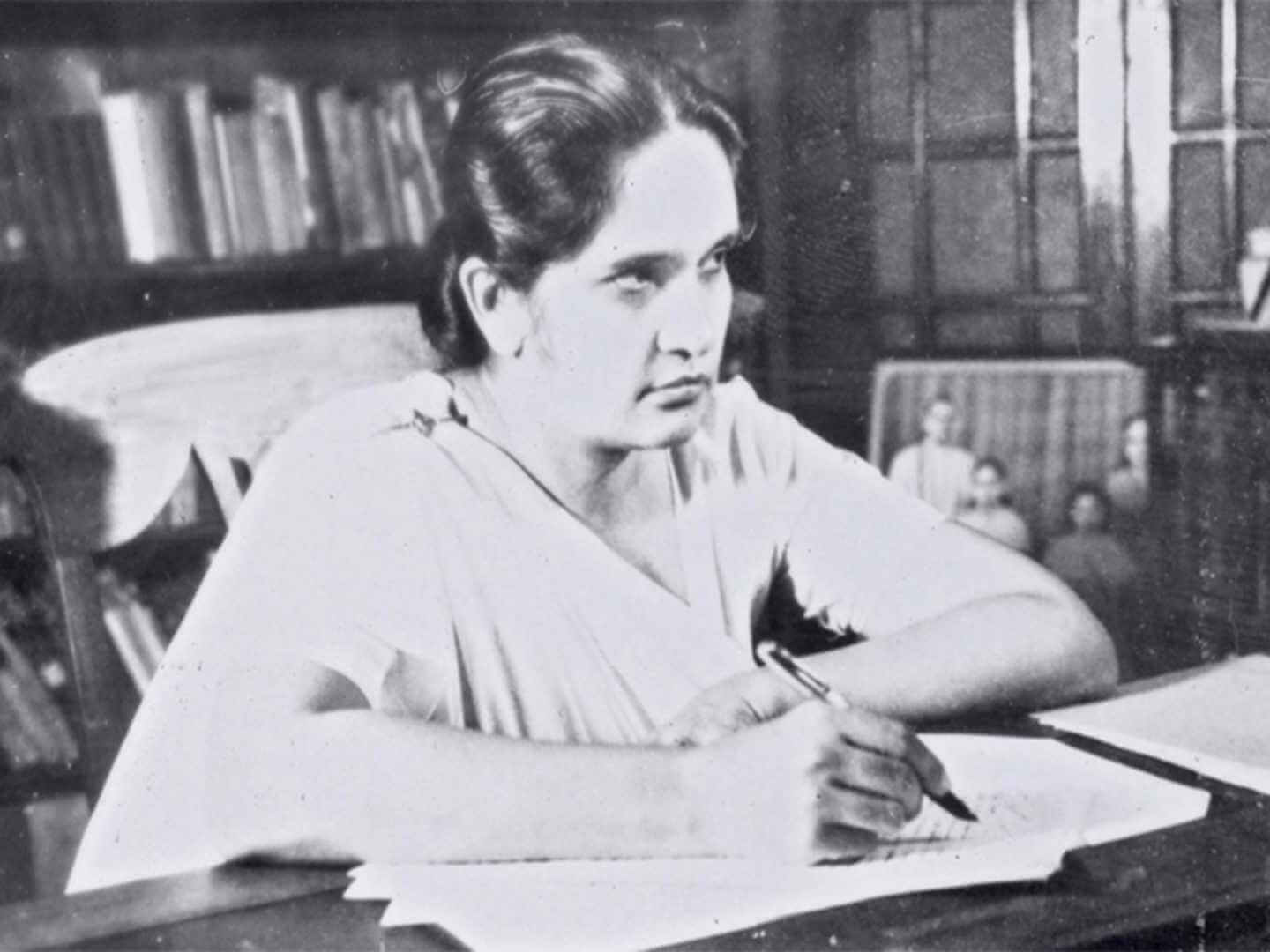
It was 1960, and Sirima Bandaranaike was thrust upon Sri Lanka’s political stage after her husband’s assassination, by his desperate party. They had near zero chance of winning. But, when Sirima took to the stage, dressed in all white, something changed. She was visibly grieving; yet this woman in a white saree, standing firm in her sorrow, became a figure of resilience that many liked to gather around. Although the opposition laughed her off at the beginning as ‘weeping widow’, they were soon taken aback by the white clad lady who appealed to the emotions as much as the logic of the nation. To Sirimavo, white was probably an unrehearsed choice at first; but it soon proved to be a strategic color that helped her occupy room in the public psyche. With the strong South Asian association between white and widowhood, the colour helped her signify the connection to her late husband and symbolize her legitimacy as the successor to his vision. At the same time, this standout colour also fit the image of the uncorrupt, clean, white-clad civil servant. The all-white ensemble is a staple in the playbook of South Asian male politicians; but this woman, consciously or unconsciously, used it to greater effect than all the experienced statesmen around her. We all know the rest. Sirimavo won and became the first woman prime minister in the world. History was made, and the colour white played an unforgettable role in that story.
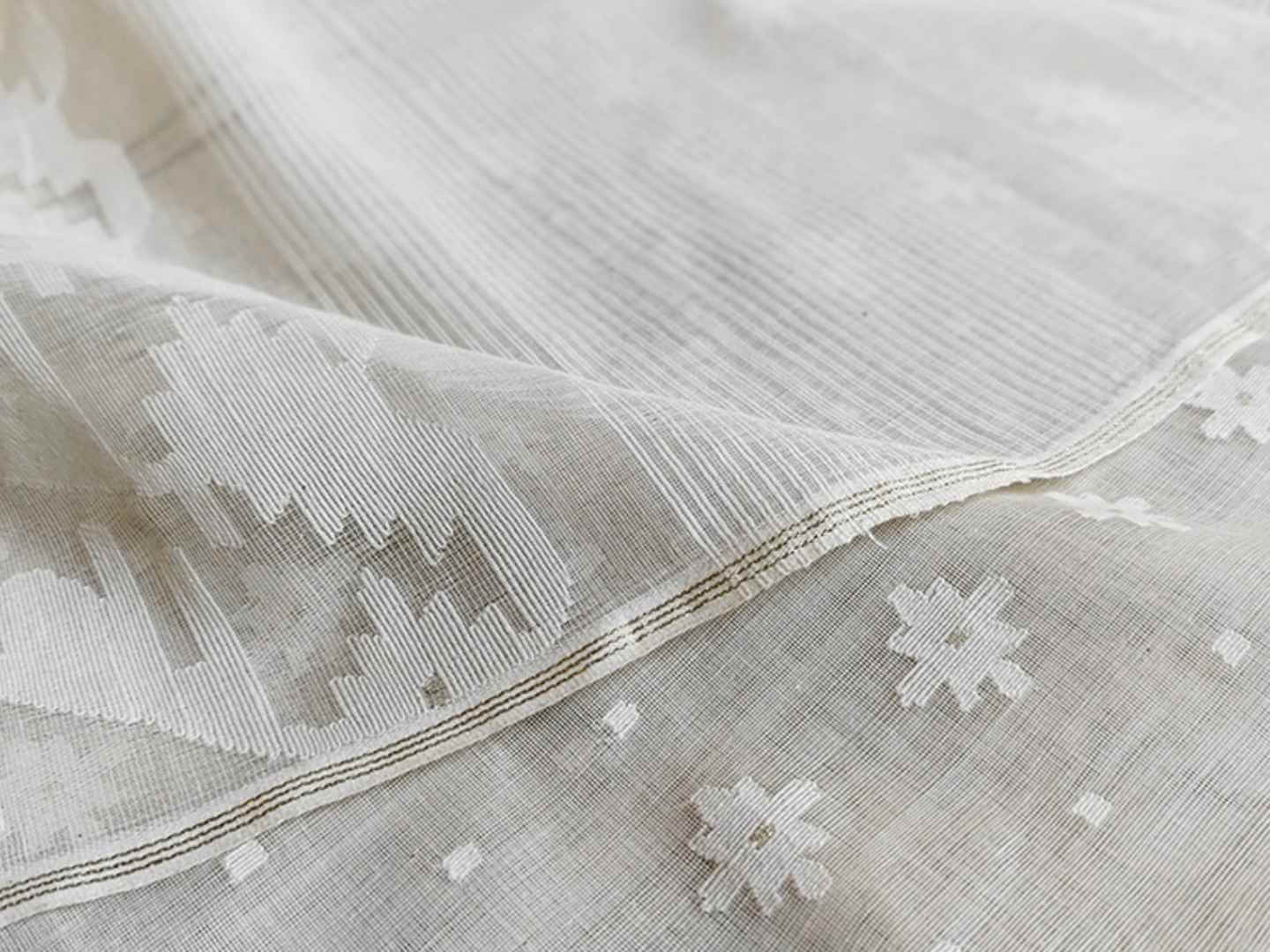
Colours are potent conduits of emotions and ideas. Among them, white, is particularly heavy with meaning. This April, as Sri Lankans dress in white for the period preceding the solar transition, and to return to work after the traditional new year, gather for Easter, and prepare for Vesak, Rithihi traces the cultural grammar of white: from the almsgiving to the courtroom, the funeral to the sweet sixteen photoshoot, temples and weddings to parliament. In this Rithihi story, we decode the many meanings we wear with the colour white.
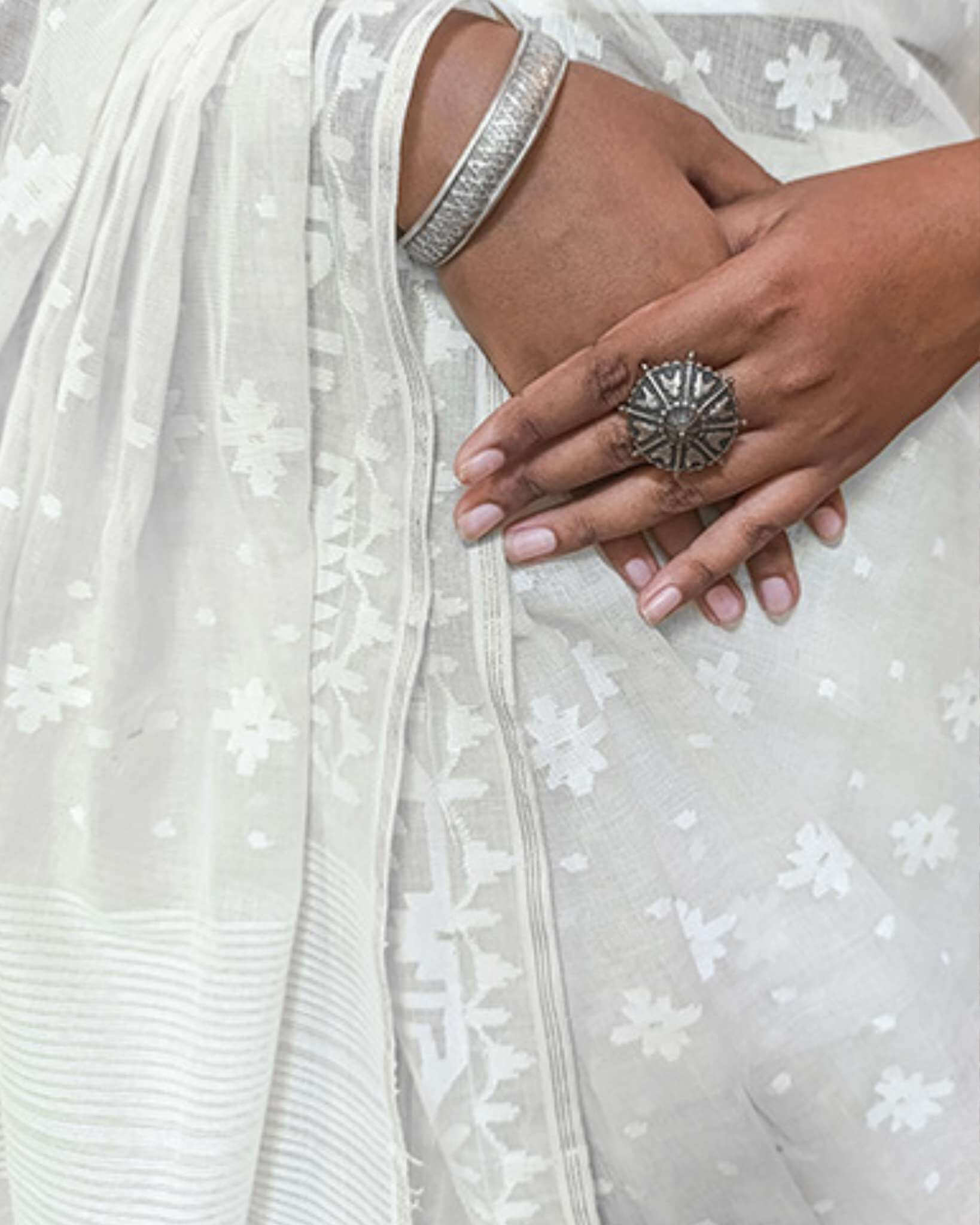
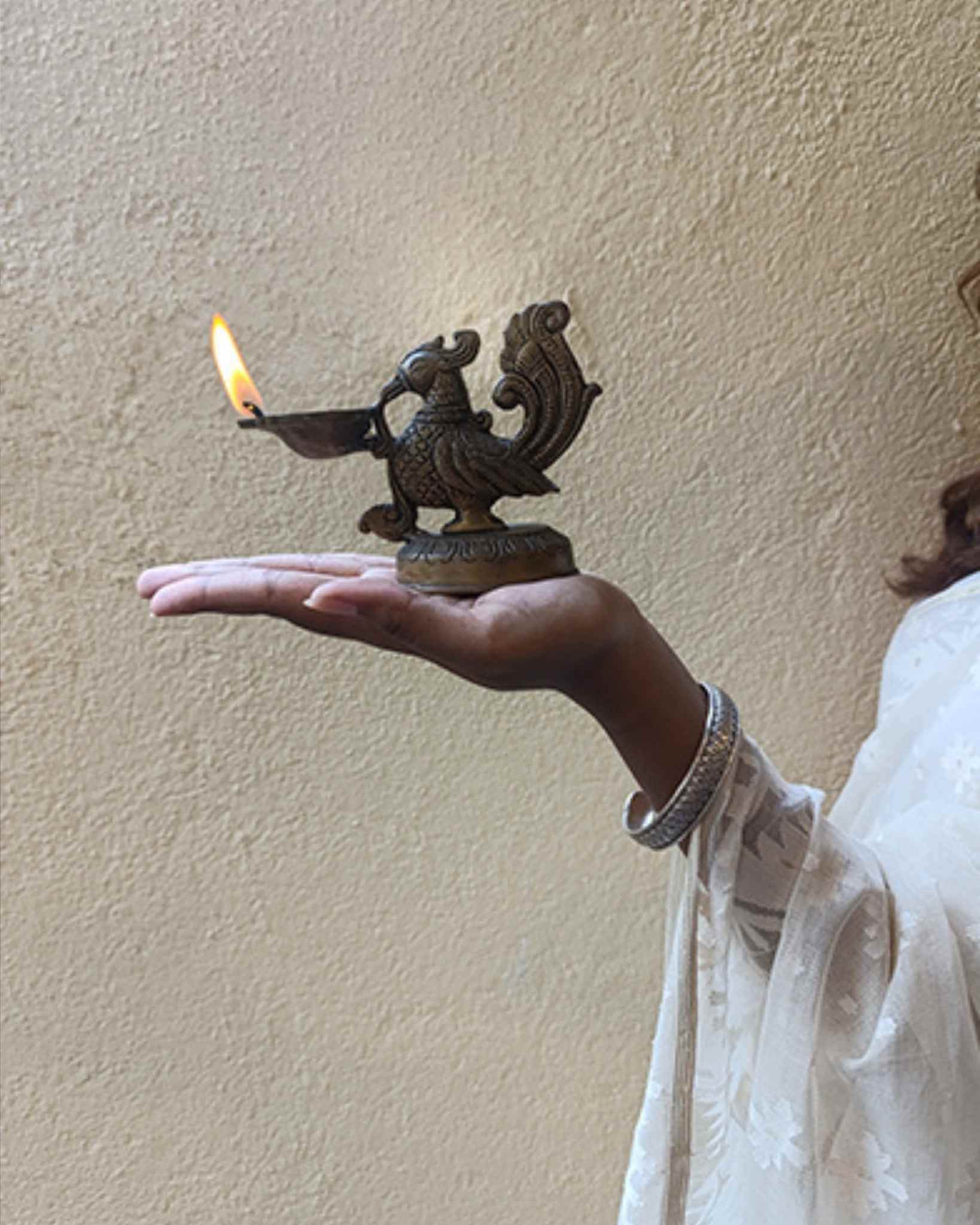
The South Asian woman and white
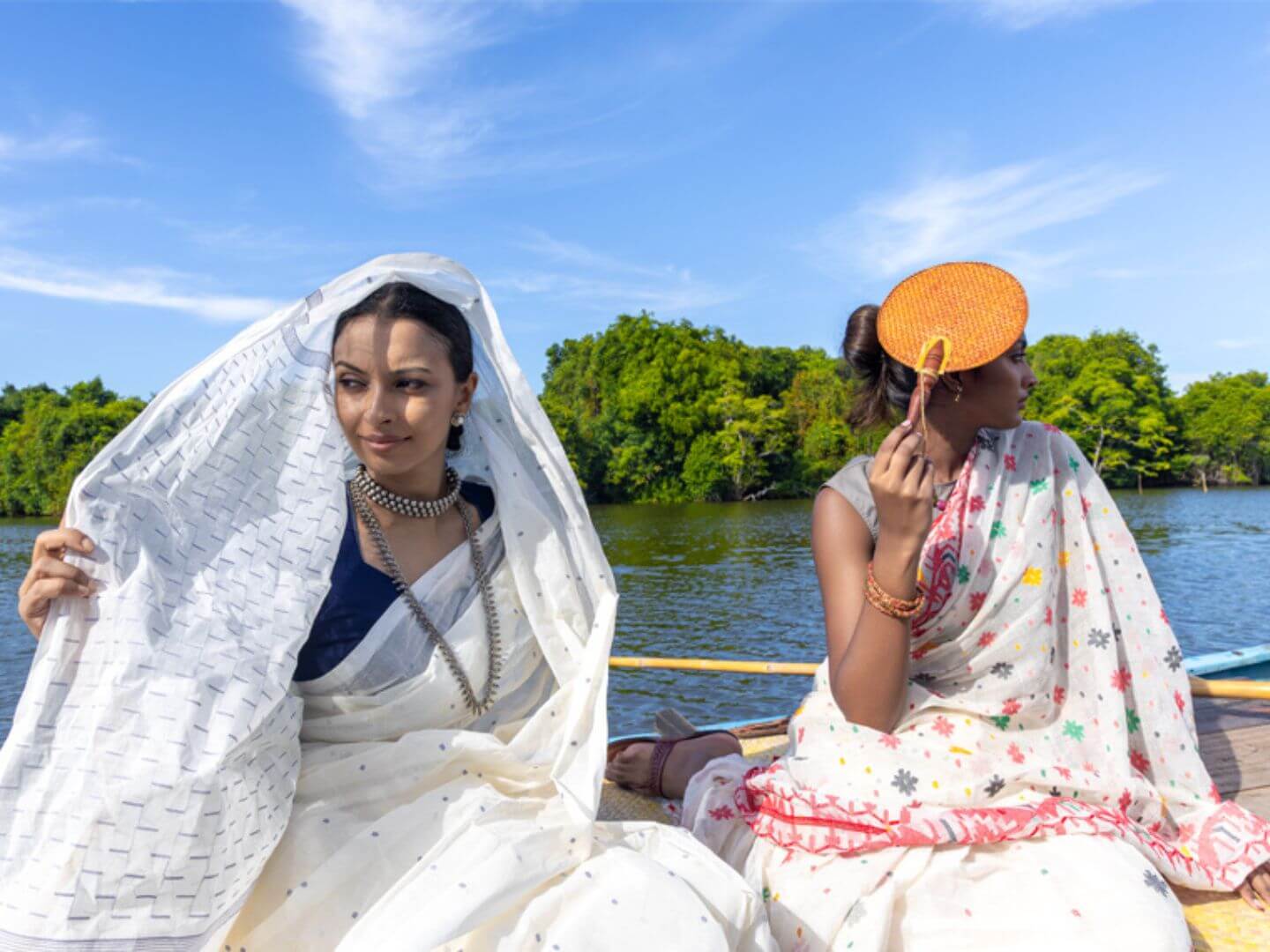
White is a colour language already understood in South Asia; but it’s rarely examined. When it comes to South Asian women, white visits across the arc of life consistently. In the white half-saree, a girl is dressed for her first religious occasion; before she has words for what sacred means, the colour for that occasion has already been given to her. From there, white follows her throughout life; into school uniforms, coming-of-age portraits, into the sweet sixteen celebrations that many South Asian families now mark with the same gravitas as older rites of passage.
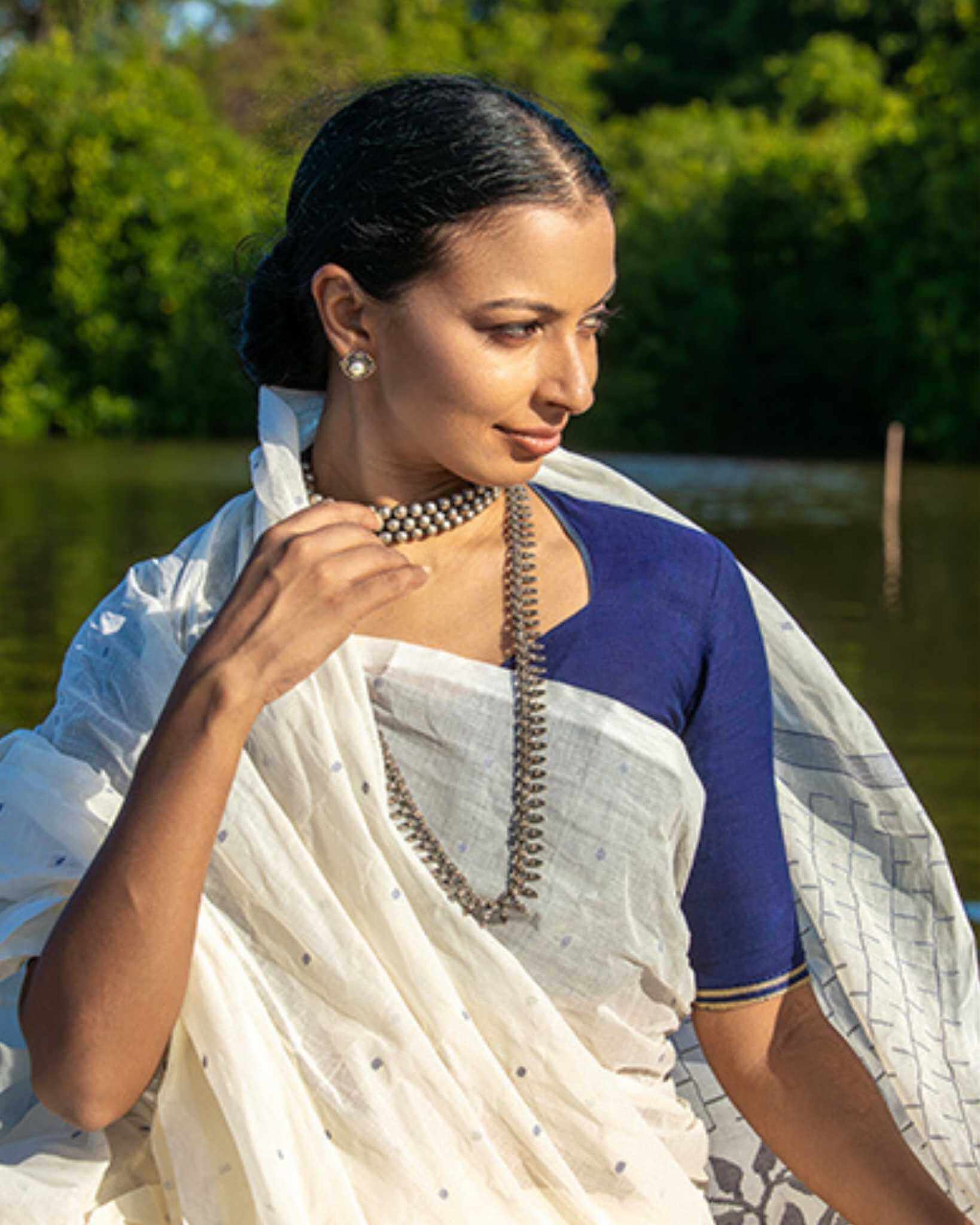
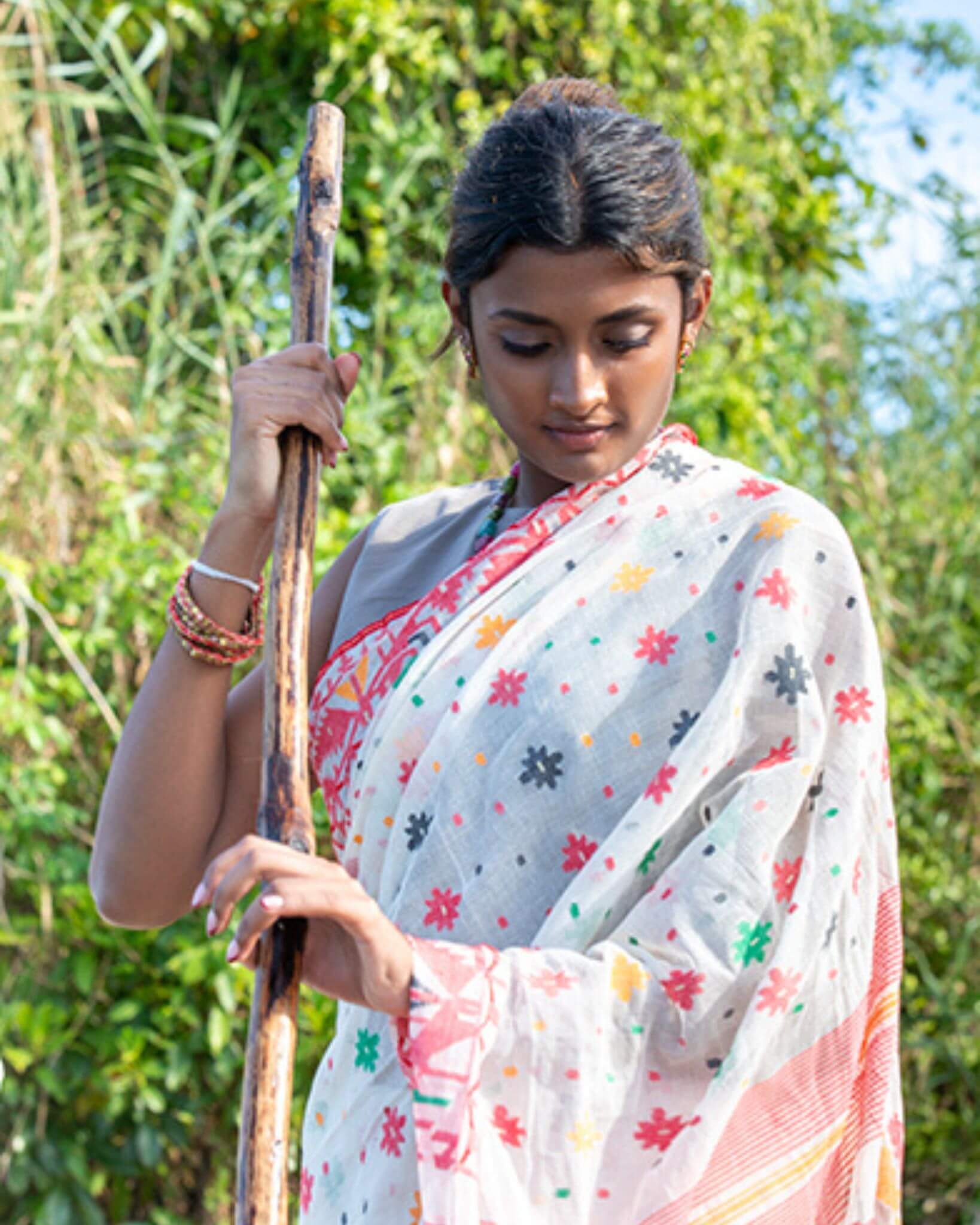
And then, for many, it becomes the colour of the wedding. Across Christian communities in Sri Lanka and among South Asian women shaped by Western aesthetics, white is the bridal choice in the cultural imagination of the subcontinent. What is worth pausing on, however, is how white was not the traditional bridal colour across most of South Asia. The brides of older traditions donned red, magenta, yellow, gold and even multi-coloured motifs symbolizing abundance, auspiciousness, and life in full expression. It was colonial influence, and the particular Victorian equation of white with feminine purity, that gradually pulled white into the bridal wardrobe across the subcontinent. The association is now native because it was absorbed over generations.
This is the more complicated inheritance white carries for South Asian women. A widow expected to remain in white for the rest of her life. A bride is expected to wear it to signal her unblemished purity. These were not simply colour conventions; they were equally moral ones, and they landed more heavily, on women than on men.
And yet, white has also been worn by South Asian women with genuine power and intention. The woman politician who chooses it and the professional who walks into a room in white are immediately read as composed and credible. The woman who simply loves the way it feels, uncluttered, unhurried, carries the same authority of deciding her own pace.
White at moments of significance
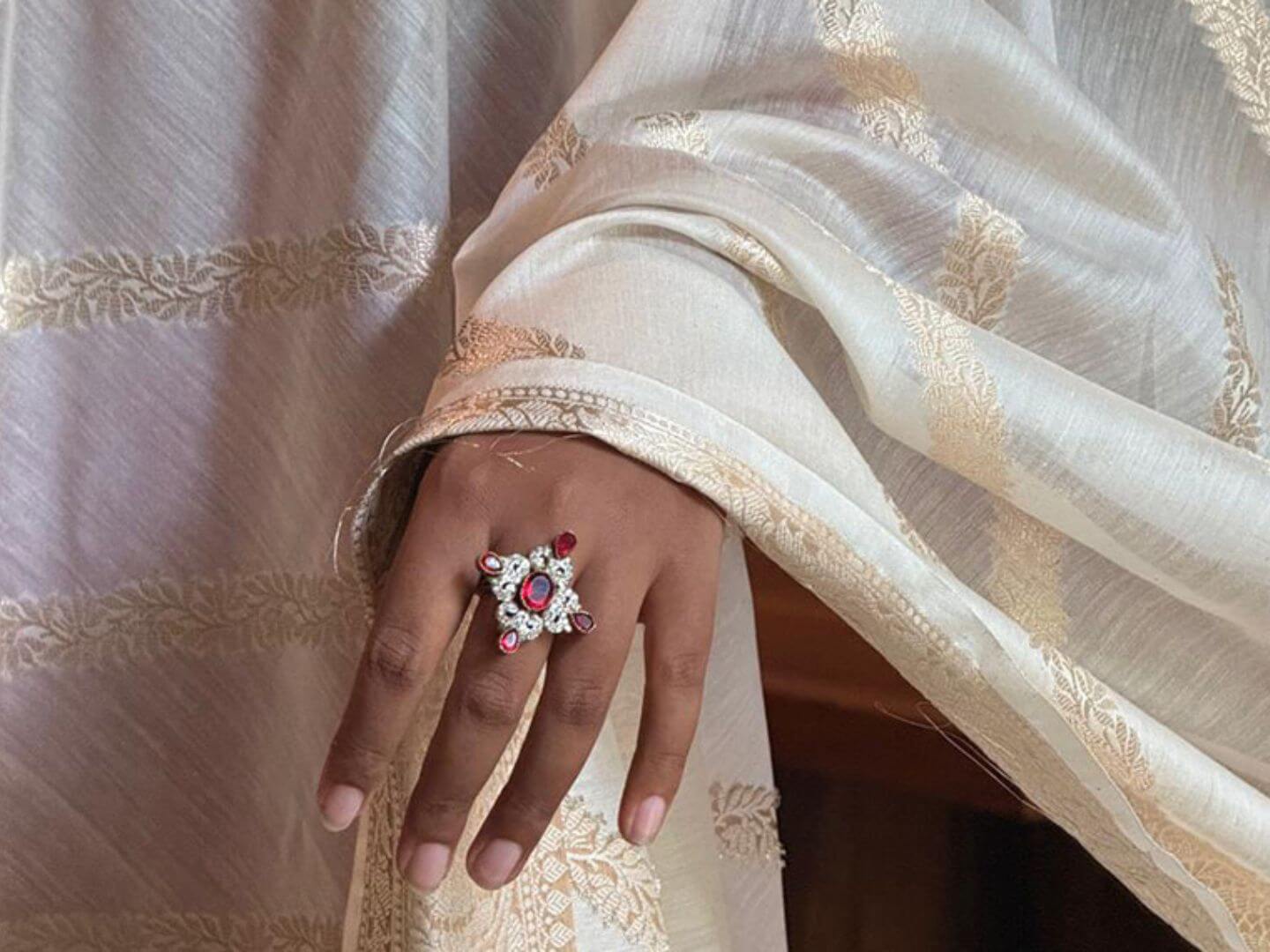
Across Sri Lanka’s many faiths and communities, white appears as a dress for moments of heightened significance; when one stands before the sacred, before justice, the state, or near profound life moments in union or loss. It can signal devotion, but also discipline; humility, or impartiality depending on the context. Take the way white is positioned as the dignified colour to wear for voting, signifying the private sanctity of a democratic citizen, or how it is the colour worn by referees and business leaders. In the courtroom, white continues to signal impartiality; in public life, it suggests a distance from excess. Wearing white becomes a signal of honesty, level-headedness, and balance. The white-wearer seems to have an unconscious claim to clarity.
What is striking is how consistent this grammar is across faiths that otherwise hold very different visual vocabularies. The Buddhist devotee on a Poya morning and the lawyer entering the courts of law are not consciously quoting each other; yet both reach for the same colour to say the same essential thing: ‘I come without agenda’.
This is perhaps why it appears at the threshold moments of devotional life with such regularity. On the eve of Avurudu, Sri Lankans visit the temple dressed entirely in white to cross into the new year having shed, at least outwardly, whatever the old one left behind. Lay Buddhists at Vesak wear it as a mark of simplicity chosen over ornamentation, readiness chosen over display. Devotees at kovils and churches arrive in white as a gesture of humility before the sacred.
In a region as visually expressive as South Asia, choosing to wear white at a heightened moment is itself a form of eloquence.
White as purity? A problematic association
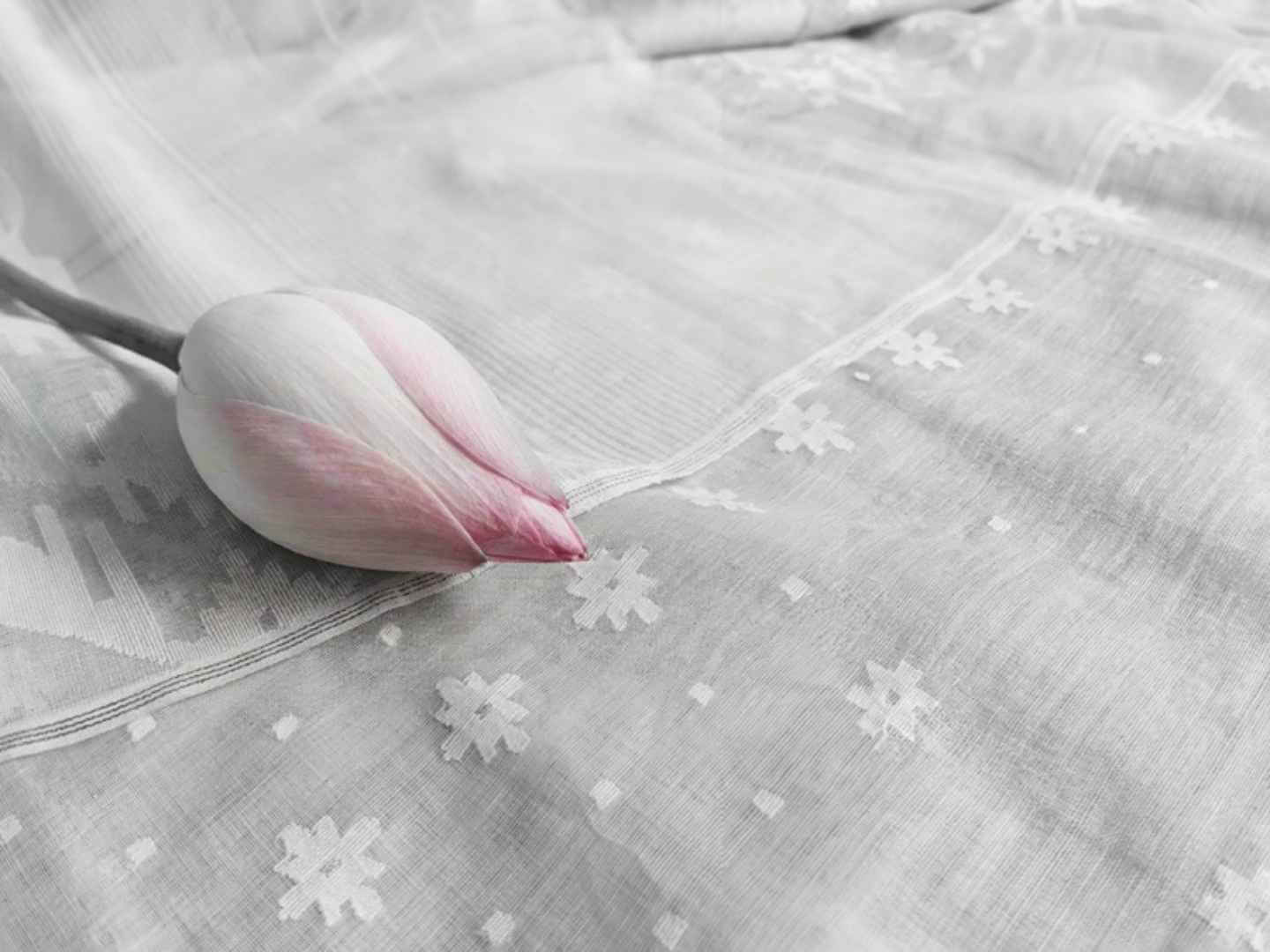
Yes, it’s clear why we associate white with unblemished nature. Light as purity is perhaps old code we carry from waking, sunlight, and our primal relationship with the sun as the ultimate energy source. However, taken out of context from this essential connection, associating white with moral or biological purity has created some of the deepest issues in our society. How do these ideas translate to textiles and what we wear?
Most visibly, in the expectation placed on women. When white became the signal of feminine purity unmarked, untouched, beyond reproach, it was no longer simply a colour. It became a condition. The white bridal gown asked a woman to claim an idea about herself before she had even spoken a word. The white of widowhood sealed her from being relevant beyond a set context, for the rest of her life.
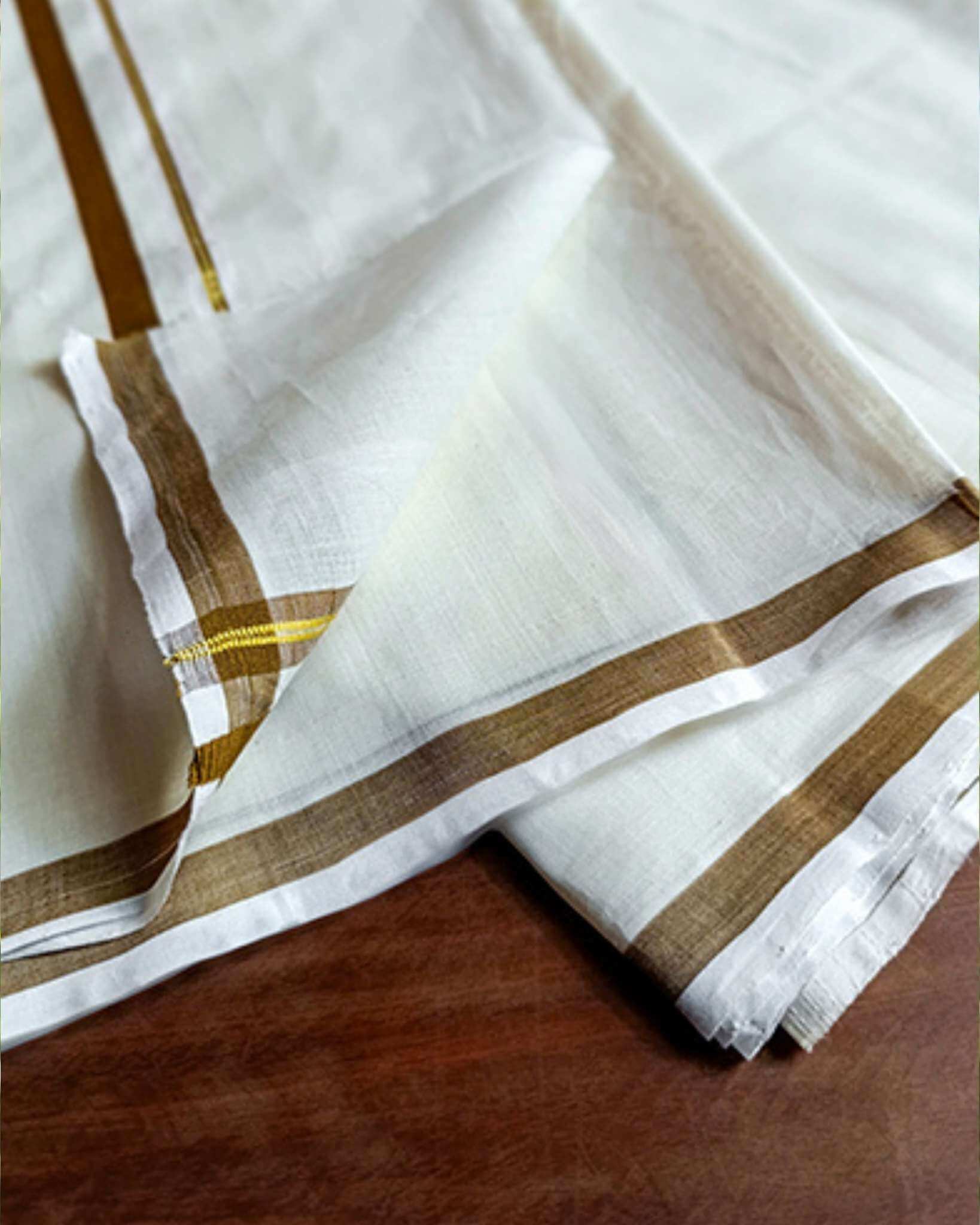
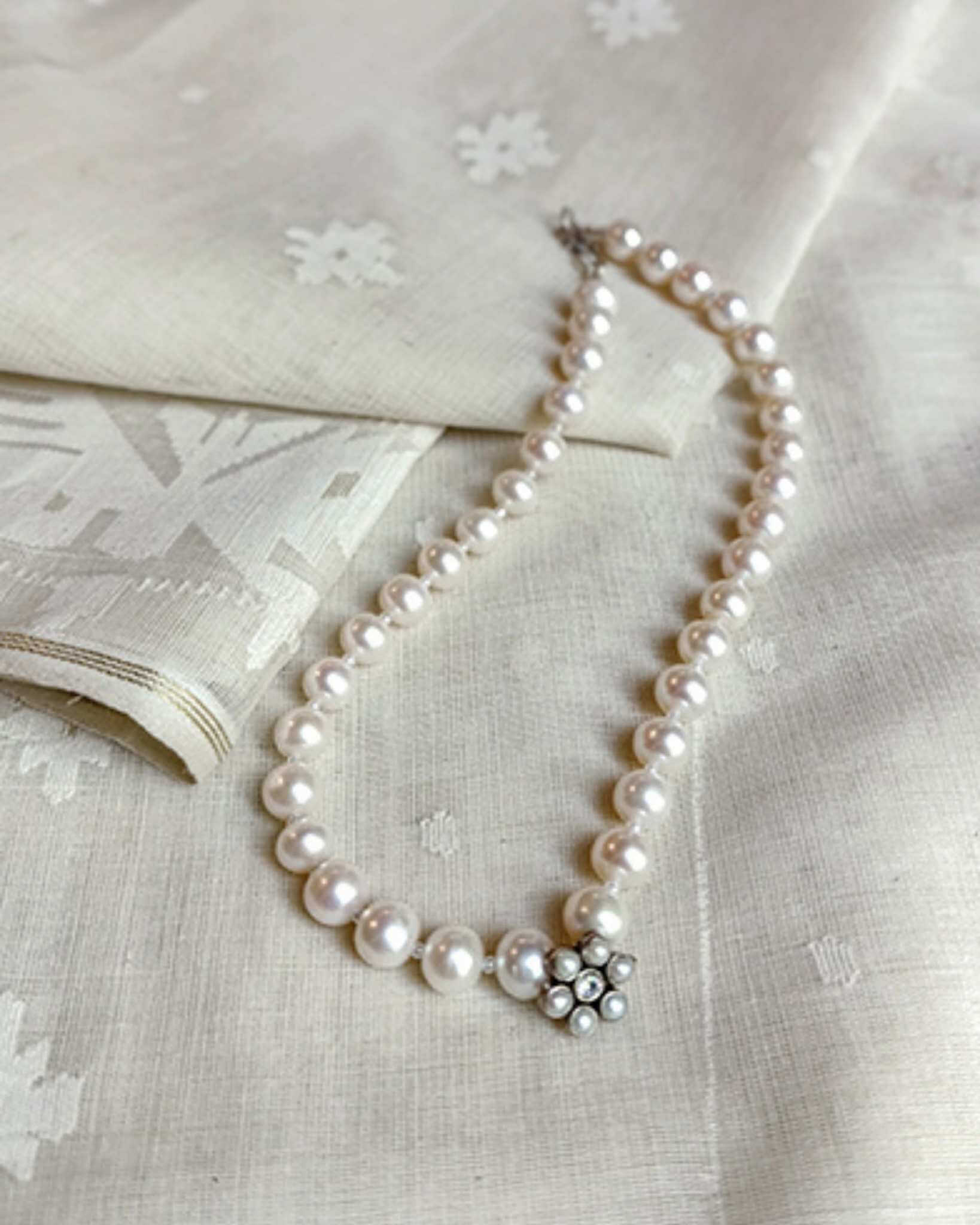
There is also a history of white being used in the service of class and racial hierarchies. In South Asia, the association has its own internal genealogy: skin lightened by a life lived indoors was read as the mark of an elevated class, while those who laboured under the sun wore its evidence on their skin. Lightness, in skin and in cloth, came to be coded as superior; an association that colonial structures then amplified and exported back to us with greater force. It was absorbed, in ways both obvious and insidious, into local aesthetics and aspiration. To wear white thoughtfully is, in part, to be aware of this inheritance without being imprisoned by it.
And yet, the colour itself is not culpable. Our inquiry into the colour is to wear white with full knowledge of its history, the beautiful and the burdensome, and to decide, consciously, what it means when you put it on.
White is a colour capable of carrying contradiction without fracture: mourning and celebration, devotion and authority, inheritance and choice. It does not resolve these contradictions, but holds them all quite effortlessly.
In the weeks that follow Easter, Sinhala-Tamil New Year, as Sri Lanka moves through a season marked by ritual, return, and renewal, white will appear again and again at temple steps, in office corridors, at family tables, in places both public and private. We hope you wear it with greater intention now, whether it’s worn as instruction, habit, or memory.
Get in touch with us!
Monday – Saturday | Hours 10:00 am – 06:00 pm
19 Alfred House Garden Colombo 3, Sri Lanka
+94 11 2581 988 (Telephone)
+94762800220 (WhatsApp)


