
In the wake of Cyclone Ditwah, Sri Lankans have turned instinctively toward one another in steady acts of care. Across the island, and from neighbouring regions of South Asia, support arrived not only as food and shelter, but in clothing offered without hesitation. These gestures, made in a moment of profound vulnerability, reveal something essential about the cultural logic of giving in our part of the world. A clean garment, fresh underclothes, a simple length of cotton to sleep on; these are not merely practical responses to crisis. They stem from a collective understanding that dignity is inseparable from cloth, and that offering it is among the most immediate ways we offer comfort, safety, and humanity. In these difficult days, a familiar truth has resurfaced: that in South Asia, cloth is one of the first languages through which we offer care.
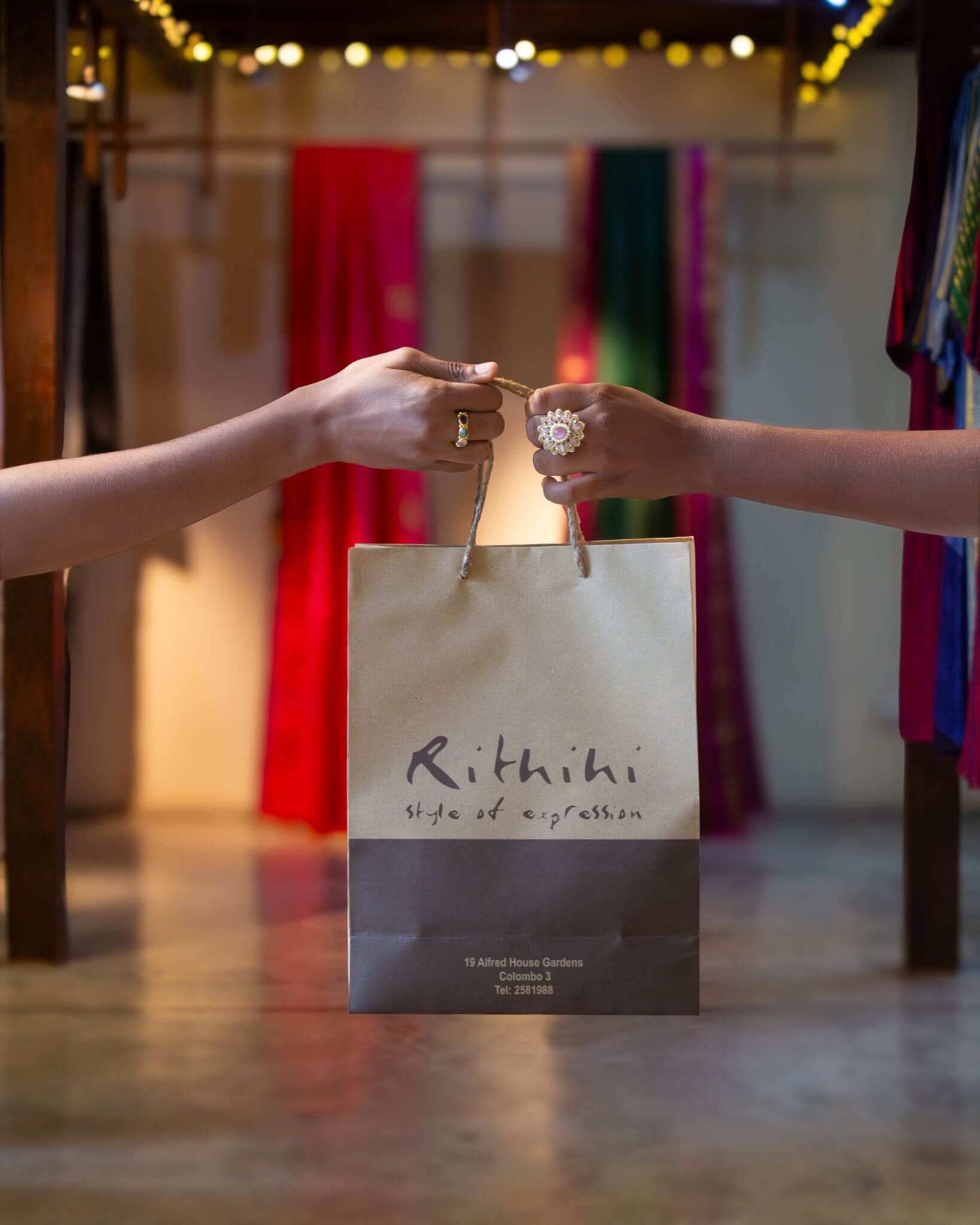
And this instinct to reach first for cloth when someone is in need is connected to a much older, deeper way in which our societies understand the role of textiles. Gifting someone fabric may be perceived as far too personal in many parts of the world, but not in South Asia. Here, cloth enters the social imagination tied to trust, protection, blessing, dignity, rituals of welcome and farewell, and to the ways we convey respect. This is why the social code of gifting textiles is far more than generosity or formality.
This Rithihi story takes a closer look at the diversity and the symbolic communication of textile gifting in South Asia; a language of regard shaped by spirituality, history, and the intimacy of cloth itself.
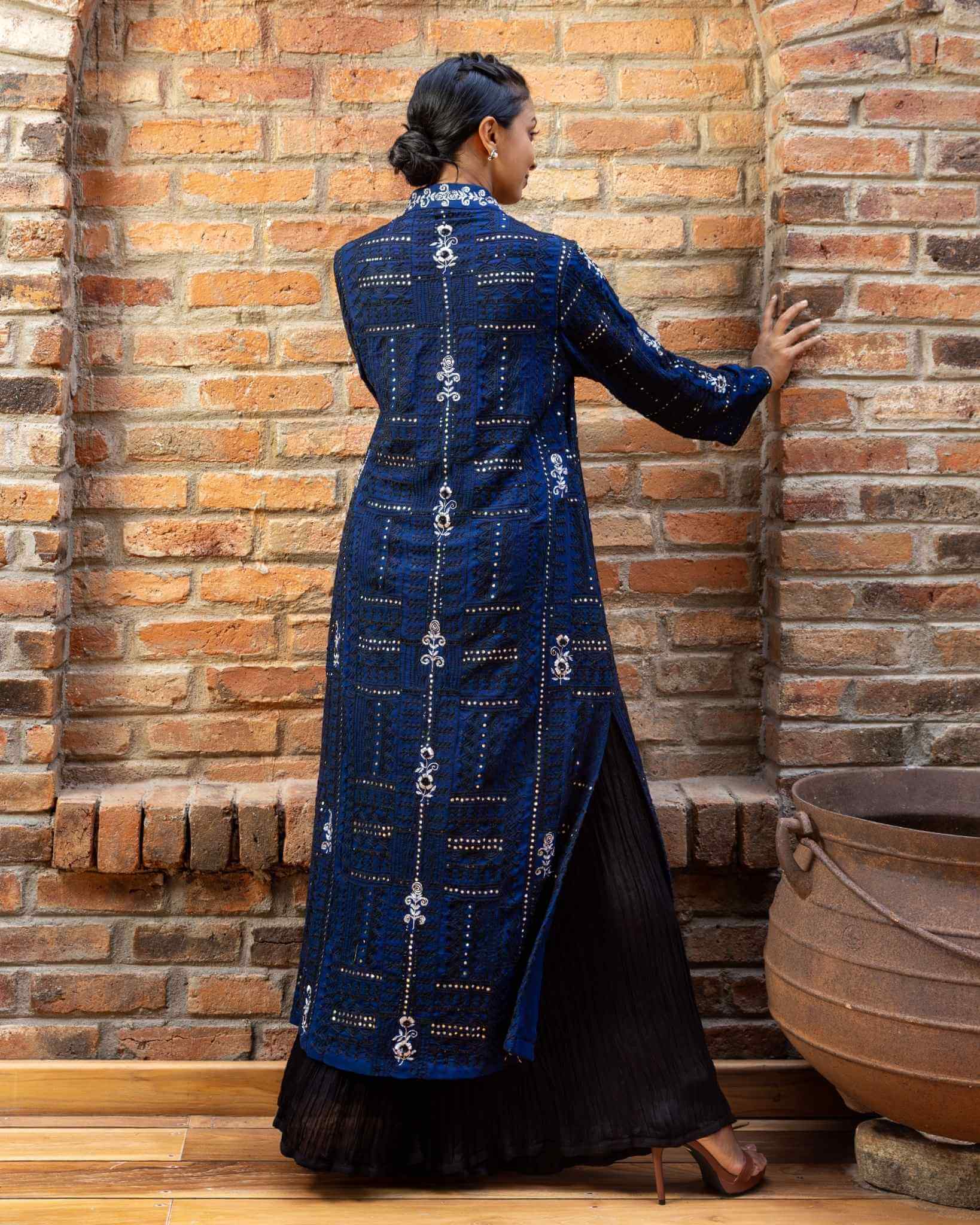
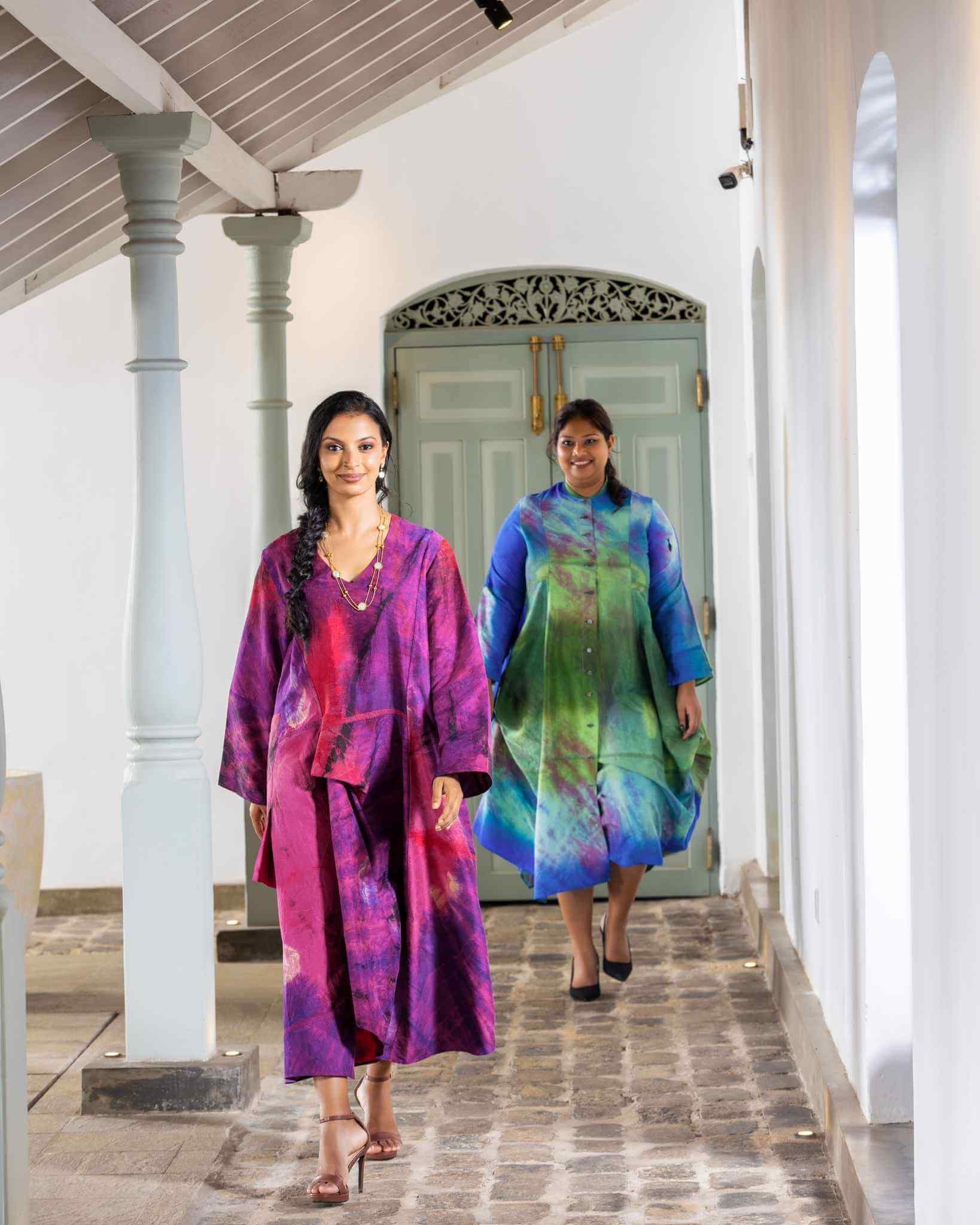
Textiles as Markers of Relationship and Regard
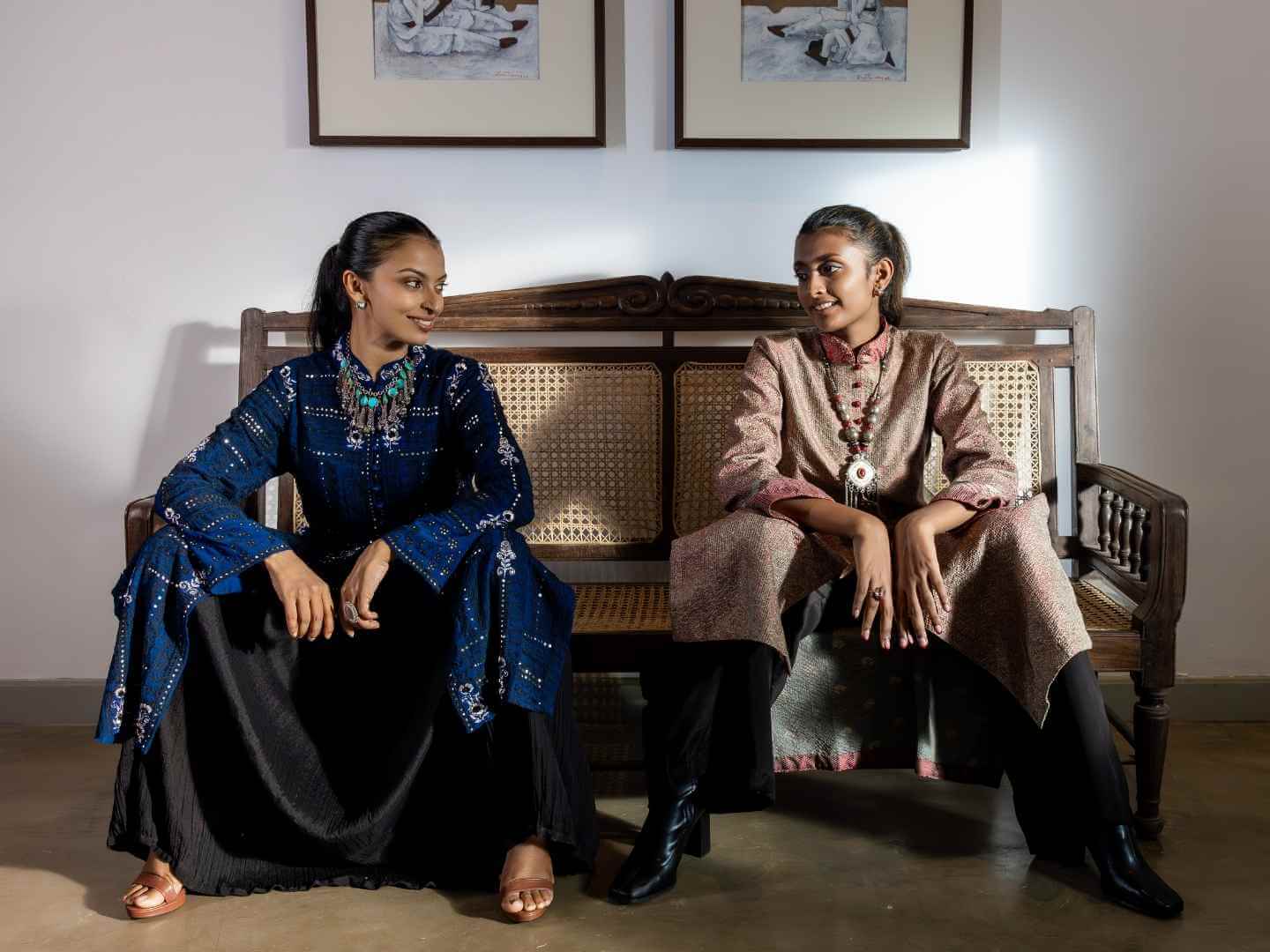
Examples of how textiles have been used to communicate intent, value, and esteem are woven throughout the South Asian subcontinent. History records how Indian Emperor Asoka gifted Sri Lankan King Tissa with wash-less textiles that required only sun-drying to clean; it was a gesture designed to initiate diplomatic and missionary ties. A Sinhala-Buddhist nuptial ritual in Sri Lanka is the kiri-kada helaya (milk cloth), where the bride’s mother is honoured with yards of white cloth by the groom on the wedding altar, using fabric to symbolize respect. In harvest festivals like Pongal and Avurudu, new textiles are gifted to signify gratitude. In Sri Lankan arranged marriages, textiles were traditionally among the first gifts used to formally express matrimonial intent. South Indian temple inscriptions describe how rulers offered silk, gold-threaded garments, and lengths of cotton to deities and priests as a way to anchor political legitimacy within ritual obligation. These histories reveal how cloth has long been a medium for initiating and maintaining relationships aligned with South Asian ideas of care, protection, and social responsibility.
Cloth as Merit, Dignity, and Blessing
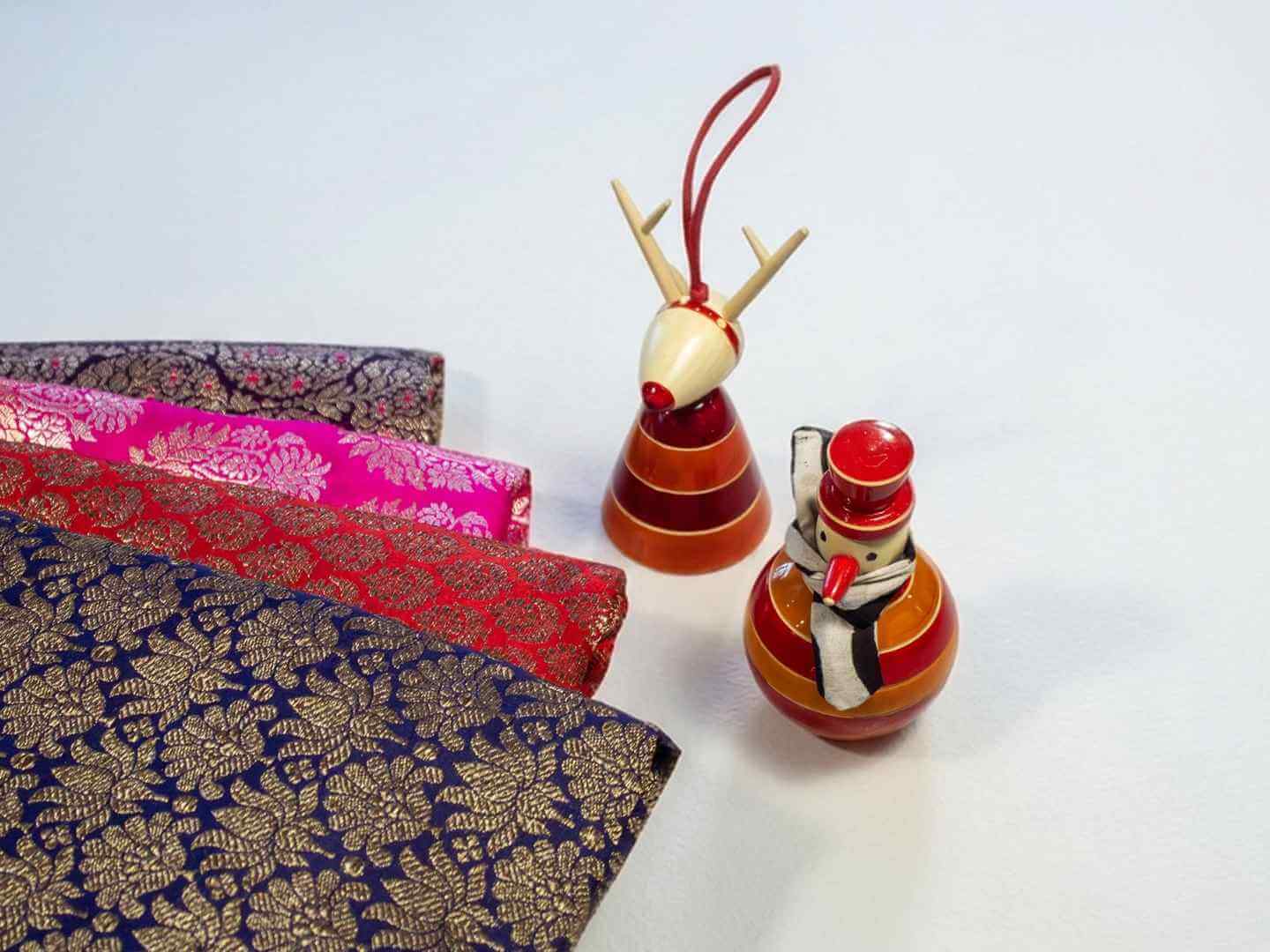
Gifts of clothing to those in need, meanwhile, were among the works of charity thematized in the vitae of Catholic saints venerated in South Asia, as sadaqah in Islam and among the highest acts of dāna in both Hinduism and Buddhism. In Buddhist traditions, offering robes (cīvara-dāna) to monks has been considered one of the highest forms of merit since the Buddha’s time. The robe is not simply a garment; it is a form of dignity, a means for spiritual practice, and a symbolic wish for the receiver’s well-being. Sri Lankan chronicles like the Mahāvaṃsa describe kings presenting valuable textiles to monastics, honouring both the clergy and the moral order they upheld.
In Hindu traditions, vastra-dāna holds equal weight. Cloth is gifted during religious vows, ritual fasts, ancestral offerings, and acts of charity. The logic is that food sustains life, but clothing preserves dignity. To offer a garment is to express humility and spiritual generosity. Even everyday gestures, like handing a visiting elder a fresh towel, carry the same cultural undertones.
People across South Asia have also dedicated textiles to deities, believing that cloth offered with sincerity carries a prayer forward. In these moments, cloth becomes both protection and blessing, a material form of hope.
Ritual Cloth Across the Life Cycle
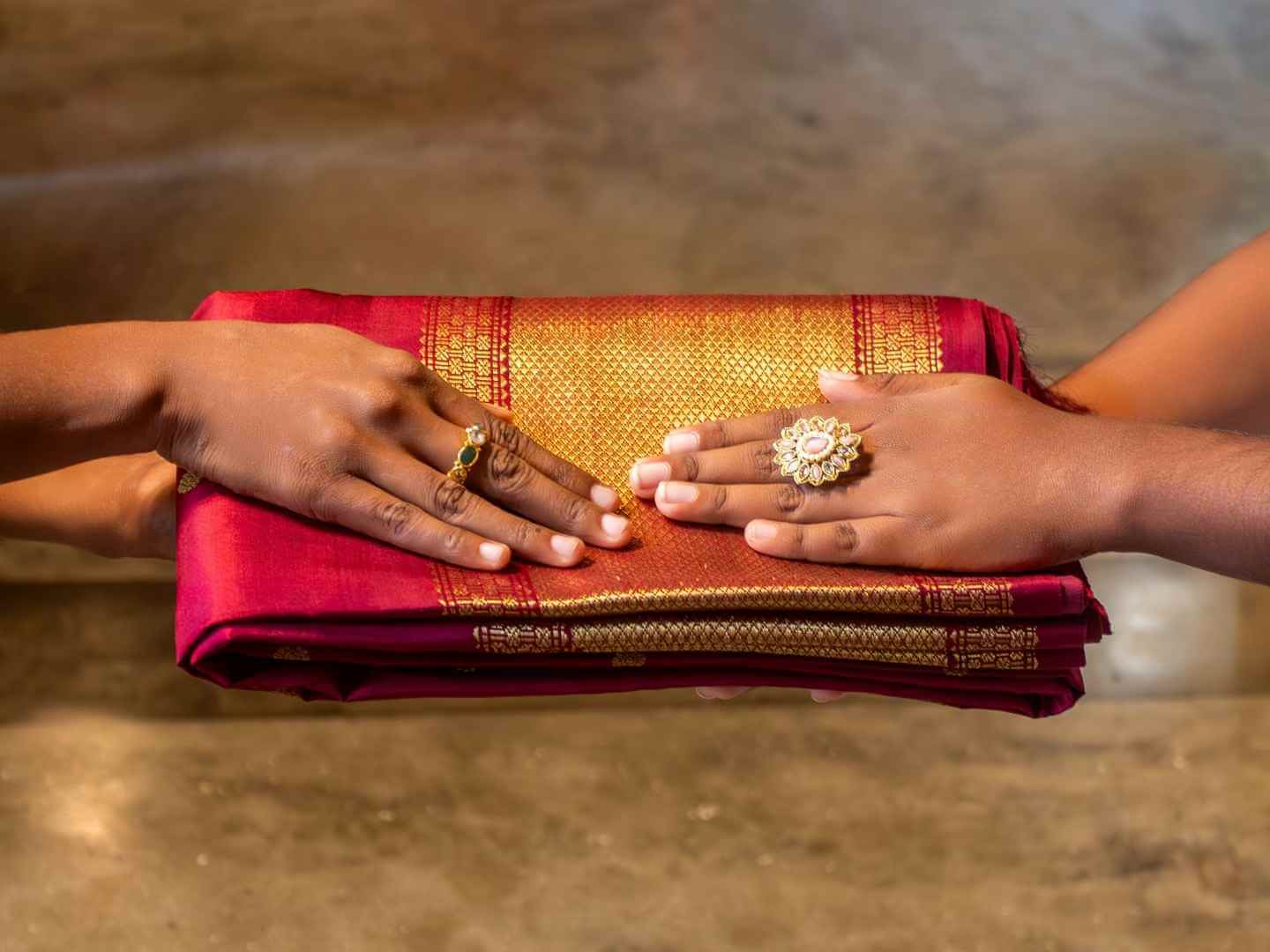
In South Asia, textiles accompany a person through life’s most significant transitions. Birth, maturation, marriage, ordination, and even death involve garments that hold ritual meaning. Gifting cloth during these ceremonies becomes a way of acknowledging that a threshold has been crossed.
Newborns in Sri Lankan and Indian households are traditionally wrapped in soft cotton as a blessing of purity and protection. Coming-of-age rituals, from the Sinhala puberty ceremony to the Tamil sadangu and the North Indian Ritu Kala Samaskaram, centre around gifting garments that signal readiness for adult roles. These are often the first formal textiles a young person receives.
South Asian marriage ceremonies are perhaps the most textile-rich of all. Sri Lankan and South Indian weddings involve the gifting of a ceremonial saree that marks the bride’s transition into a new life. In South India’s koorai pudavai tradition, the saree is draped on the bride by the groom’s sister, symbolizing both welcome and kinship. In each instance, textiles serve as ritual witnesses, dignifying the occasion and materializing its significance.
Cloth as Exchange of Wealth and Power
South Asia’s climate and economic history made textiles one of the region’s earliest and most enduring forms of wealth. Lightweight, breathable fibres like cotton, muslin, and silk, suited to tropical weather, became globally coveted commodities. Indian Ocean trade records show that South Asian textiles circulated from Egypt to China, functioning as both currency and diplomatic tribute.
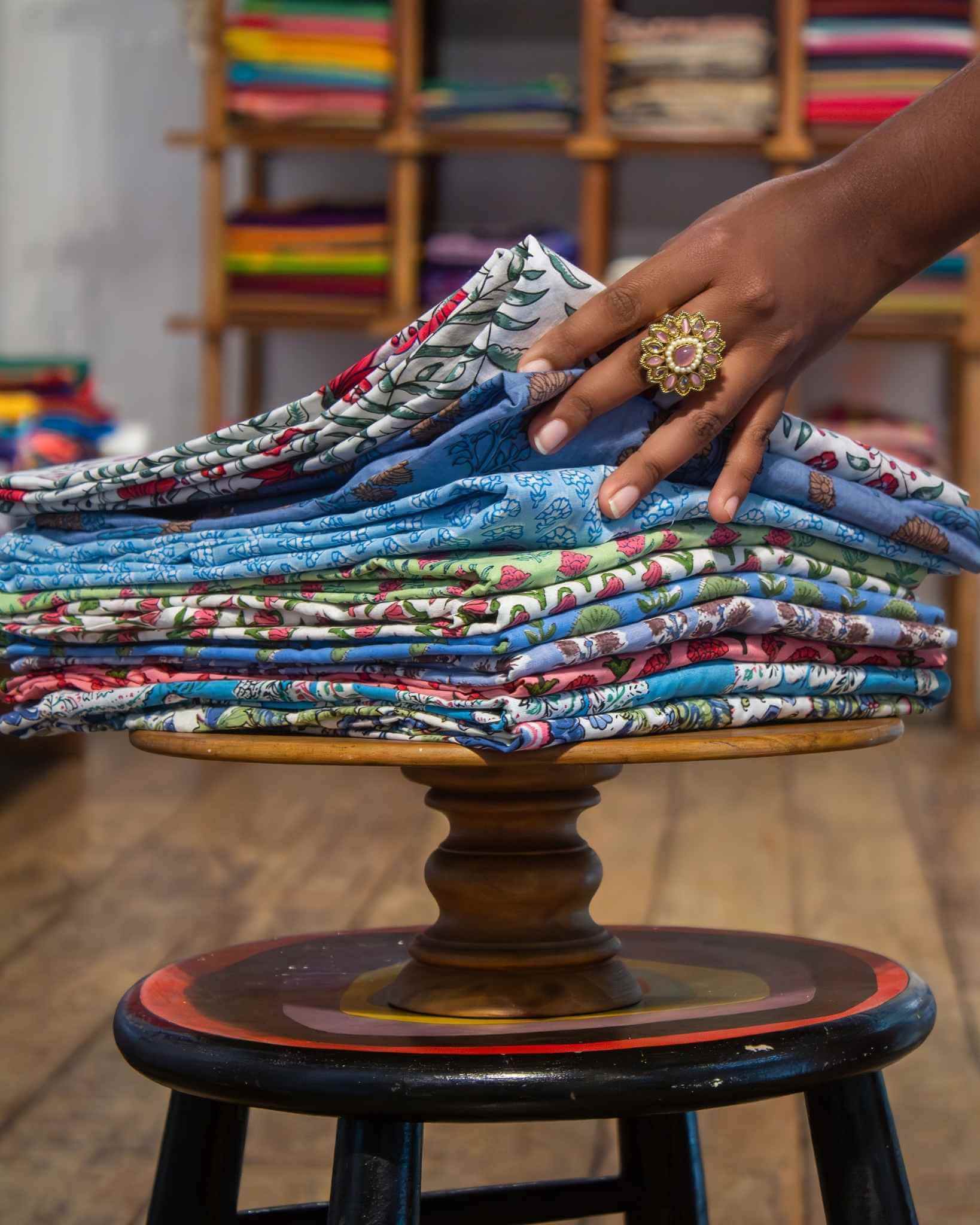
This economic history left a deep cultural imprint. Cloth became a gift associated with stability, prosperity, and long-term honour. Gifting textiles also reflects an unspoken understanding of labour: cloth is made by human hands, through time-intensive processes passed down for generations. Across the subcontinent, weaving was historically tied to hereditary guilds, each community specializing in unique fibres, looms, dyes, and motifs. Gifting one was an offer culminating the time, skill and artistry that went into each.
Personalized embroidery adds yet another layer. Often practiced as a leisure craft at home, women embroidered their dreams, blessings, and inner worlds onto cloth gifted to infants, young family members coming of age, newlyweds, and lovers, turning textiles into vessels of intimate messages. To receive a hand-embroidered textile as a gift was as precious as a letter, and as valuable as a work of art; it sent a message of irreplaceability and closeness.
This is why textile gifting in South Asia becomes a language, shaped by spirituality, economics, memory, and the value placed on cloth and its crafts.
In the season of giving
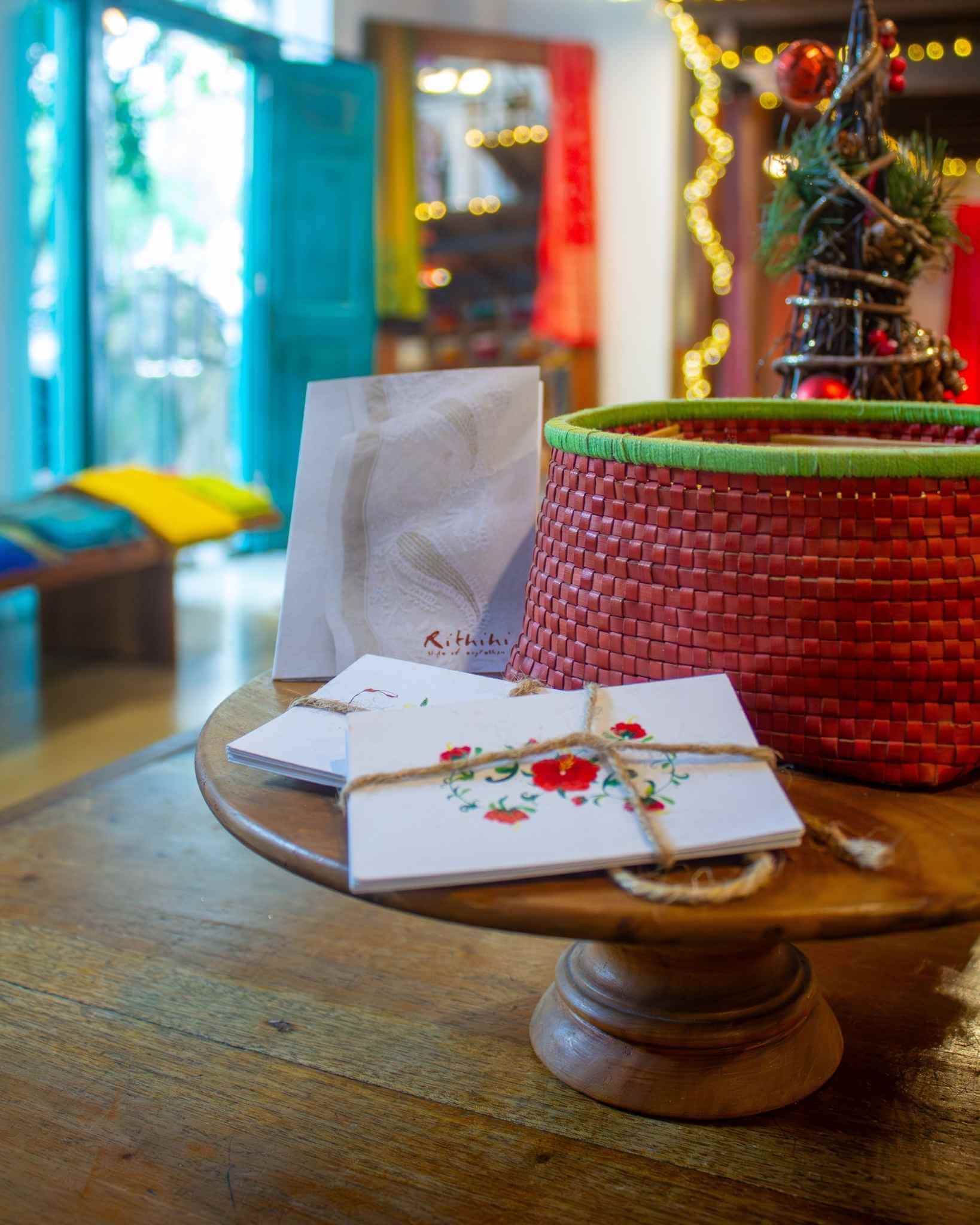

This sensibility continues today, at the year’s turn, when families prepare for festivity, blessings, and new beginnings. Whether it’s choosing something meaningful for Christmas, welcoming January with new garments, or observing the generational ritual of offering textiles for Pongal, cloth becomes a social code to honour, to include, to bless, and to begin again.
For Rithihi, we have always seen cloth as a language carrying lineage, memory, artistry, and the human touch. In a region where trust is built slowly, where dignity is protected collectively, and where affection is expressed through gestures more than declarations, a gifted textile was a carefully selected vessel of regard. And in this season of giving and receiving, as communities rebuild, as families gather, as the year shifts, we are reminded once more of how South Asians masterfully use cloth to suggest what words often cannot.
Get in touch with us!
Monday – Saturday | Hours 10:00 am – 06:00 pm
19 Alfred House Garden Colombo 3, Sri Lanka
+94 11 2581 988 (Telephone)
+94762800220 (WhatsApp)


