
The threadwork of Bappaditya Biswas—a new dialect of Bengali handloom—comes to Colombo
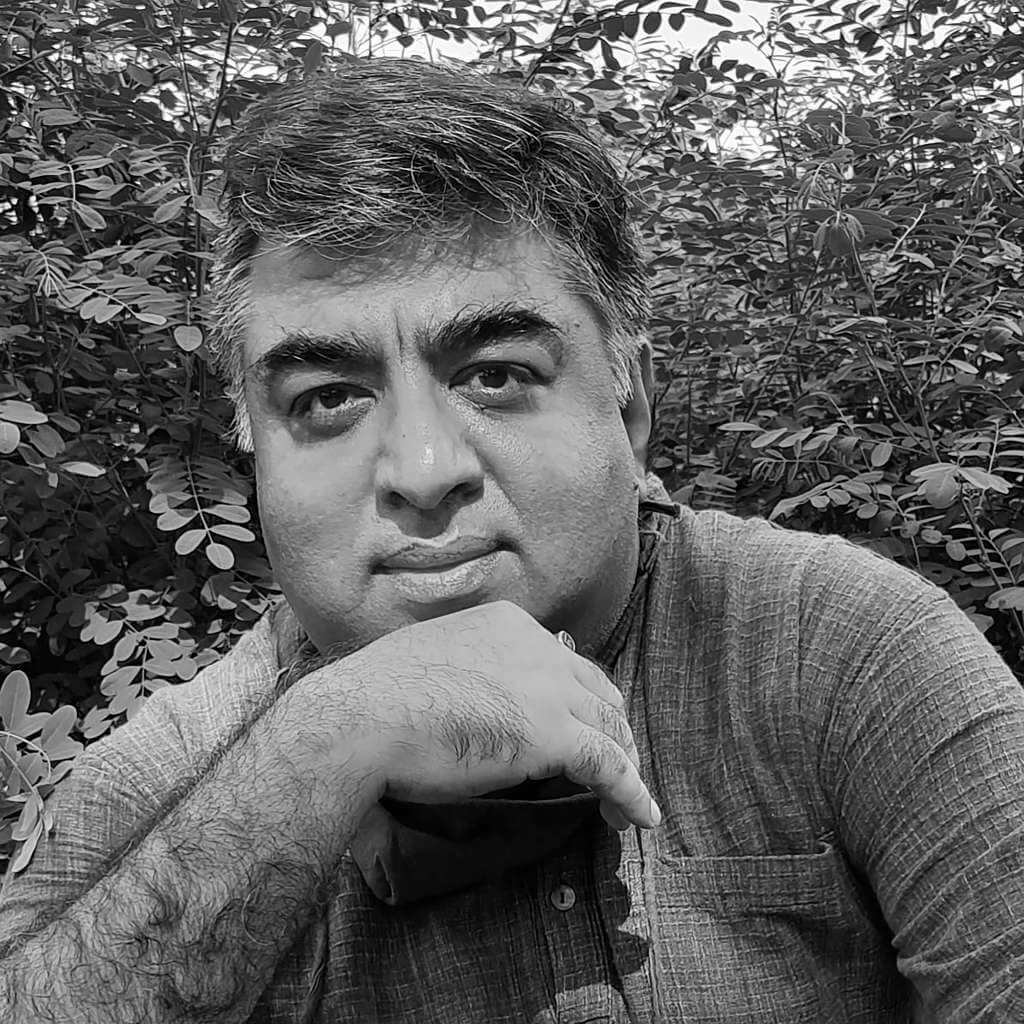
Every artform has its practitioners who continue it and enrich it with their work. Then there are those rare practitioners of an artform who change its very language and evolve it beyond what it was known for. This is what Bappaditya Biswas is to Bengali handloom textile. Through Bai Lou, the now iconic brand he built with his partner Rumi Biswas, Bappaditya has transformed what Bengali handloom looks like, feels like, and even what it means to its wearers. Bai Lou sarees and fabrics don’t just stop at honouring tradition—they evolve it. In Bai Lou, we see threads acquire the power of verse in textiles echoing the beauty of a Tagore poem, or the layered greens of mangroves, the translucent bands mirroring the riverines of Bengal or the muted beauty of Bishnur terracotta.
Now, Bai Lou comes to Colombo through Rithihi, where we want to share it as a beautiful example of how textile can be a vehicle of cultural evolution
Rooted in tradition but quite unlike anything of the past
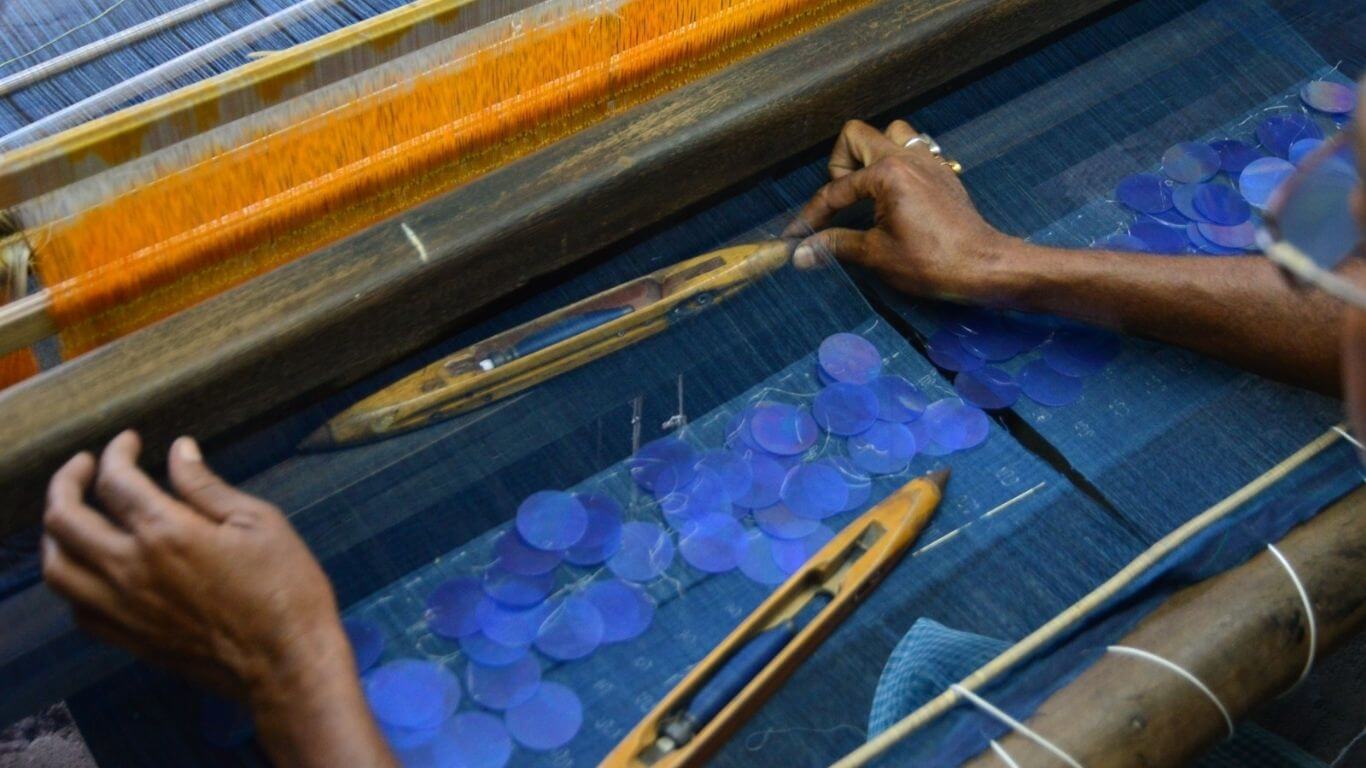
Traditional Bengal handloom is famed for its opulence. Jamdanis heavy with motifs, Balucharis that tell mythic tales across their pallu, tangails bright with colour and geometry. This was a language of exuberance, density, often designed to catch the eye at festivals or weddings.
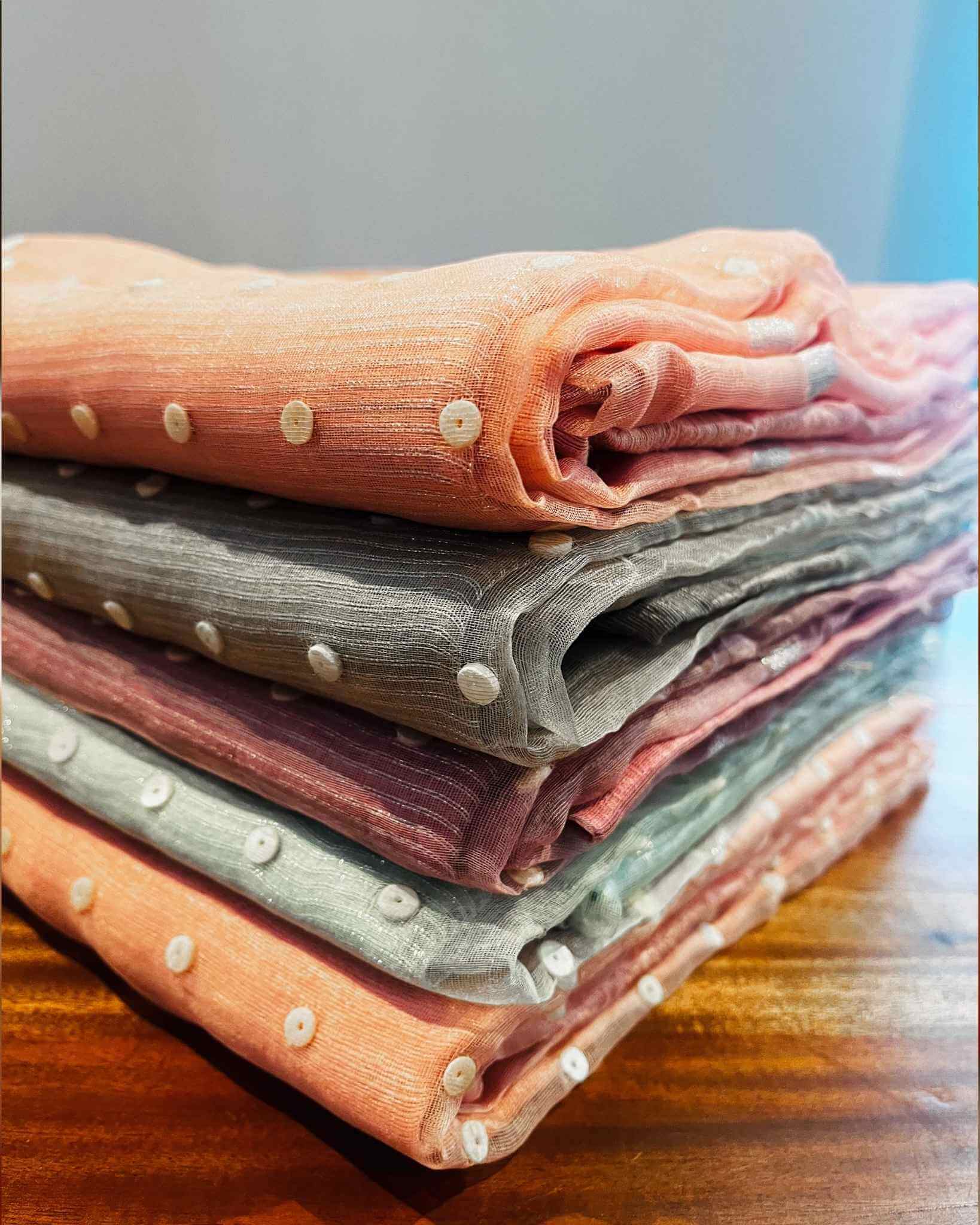
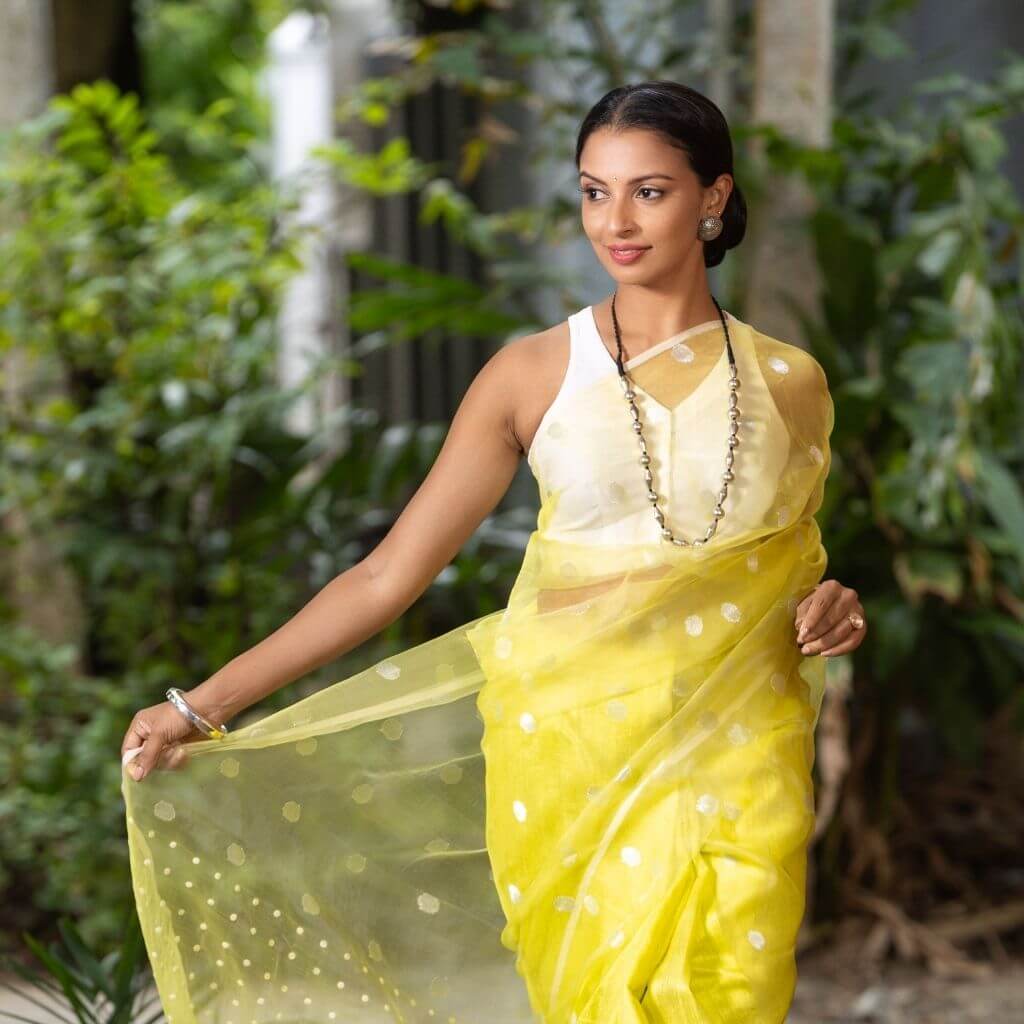
With Bai Lou, the vocabulary pared back. Here, the intrigue lies in the subtle shift—a broken check where your eye expects continuity or a translucent thread that lets light pool through the fabric. The colour stories of Bai Lou are not drawn from a trend-forecast but from living landscapes, memories of wet earth and mineral air. The natural hand-feel of textiles is allowed to carry the story without forcing embellishment.
The genius in Bappaditya Biswas’ work is in how he goes to the elemental level of textile design—the warp and weft—and starts reinventing it from all aspects of the fabric, from translucence, colour, texture, to scale and motif. And he does this in such deep collaboration with the traditional Bengali textile weavers, that the outcomes remain profoundly rooted in tradition while also looking unlike anything of the past.
A story co-written by the mind that dreams and the hands that know
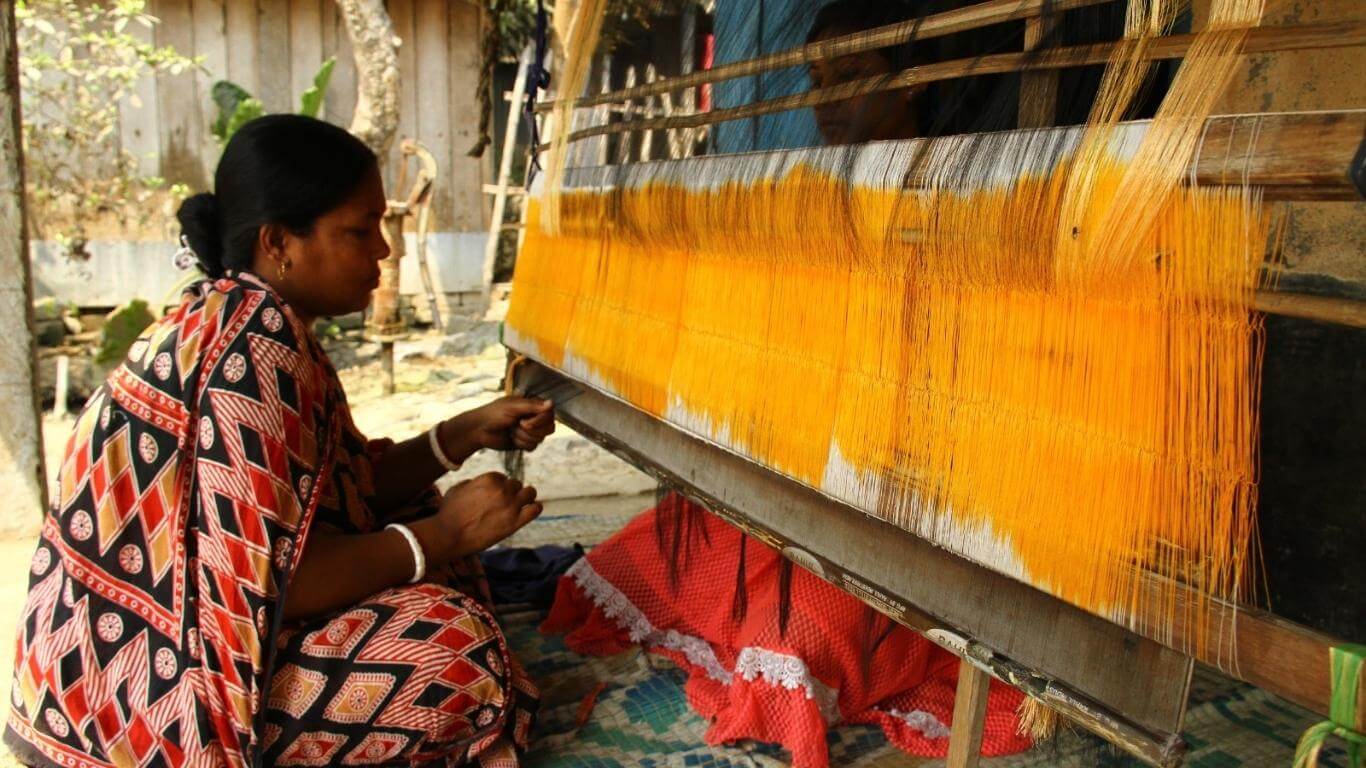
What makes Bappaditya’s interventions so surprising is how understated they are. He did not arrive to overturn tradition with a loud flourish. Instead, he sat with it, learned its tensions and temperaments, and then, began to slip in playful reinventions that surprise and delight the senses.
He broke the classic check patterns by shifting proportions and introducing unexpected colour punctuations that felt like a sudden note in a familiar song. He played with density to weave areas that catch and scatter light. He played with yarn tension so that a seemingly flat weave, when draped, revealed undulating shadows.
None of this came at the cost of the craft’s integrity. The warp and weft still honoured age-old methods. The artisans who wove these pieces did so with hands trained by generations before them. Because here, the transfer of knowledge is never a simple, one-way path from designer to artisan. It is circular, fluid. The weaver’s deep, inherited expertise with fibre, tension, and dye shapes the designer’s ideas as much as the designer’s vision guides the loom. In this sense, every Bai Lou piece is a shared authorship—a story co-written by the mind that dreams and the hands that know.
Beyond the brand; the living idiom of Bai Lou
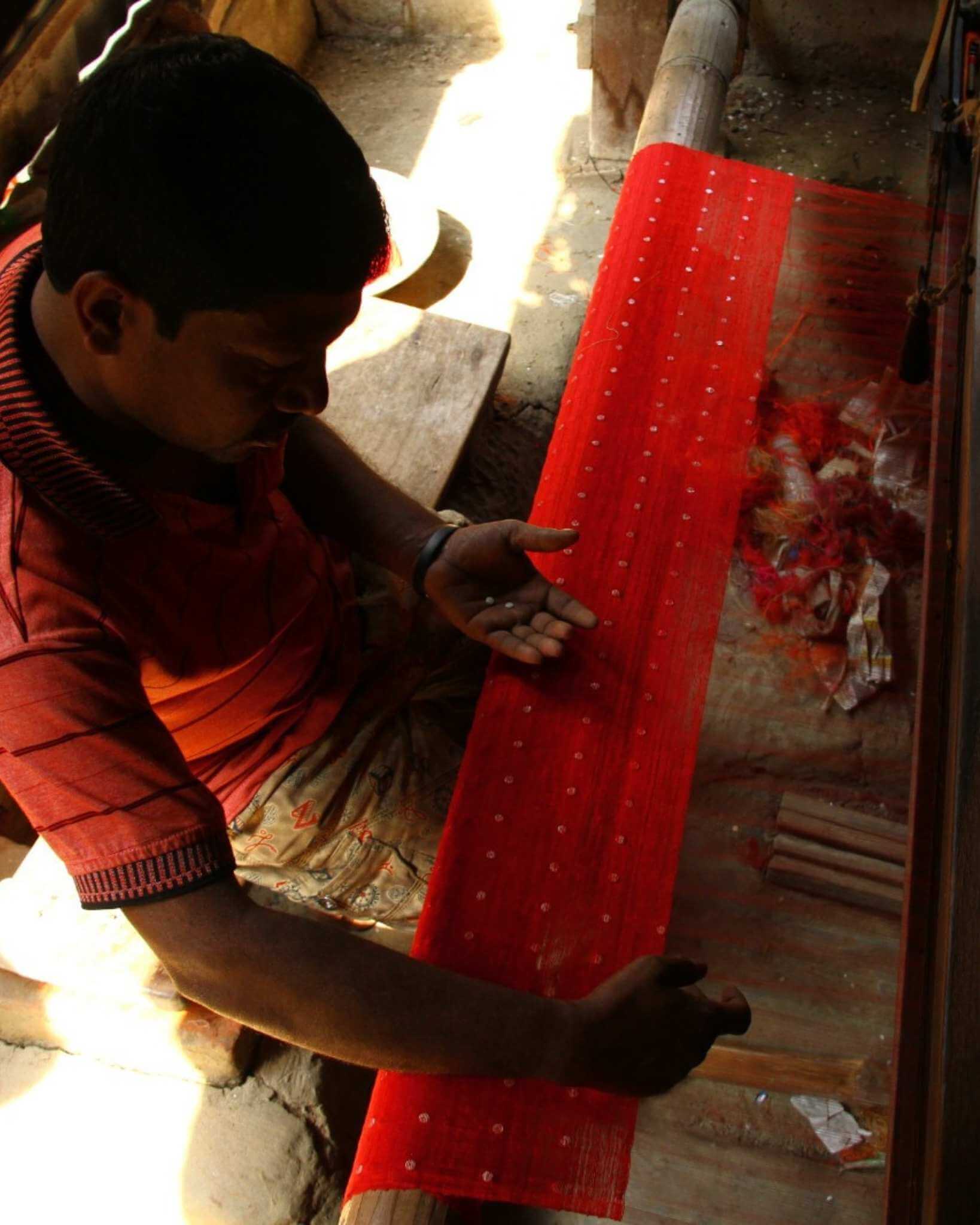
Over the years, Bai Lou has become more than a label. It has become a style—an idiom, really—through which even weavers who have never worked directly with this brand find themselves expressing the aesthetics of Bai Lou. In Bengal’s weaving communities, it is common now to hear of sarees with a pop of unexpected colour or a striking simplicity described simply as ‘Bai Lou’—a shorthand for a certain distilled beauty, a delicate modernity.
What is even more telling is how freely Bai Lou accepts this. Where some might protect such a signature fiercely, Bai Lou sees it as the natural outcome of truly catalytic work; to influence is to inevitably be copied. Perhaps the truest measure of Bai Lou’s impact is how its style has embedded itself into the larger consciousness of Bengali handloom: How weavers across the region find themselves echoing Bai Lou—sometimes knowingly, sometimes simply because it now feels like part of the natural vocabulary of the loom.
In this way, Bai Lou is no longer just a brand. It is a chapter in the long, unbroken story of textile in our part of the world.
A textile philosophy that is both vision and pragmatism
It is tempting to cast Bai Lou purely as Bappaditya’s artistic force. But it would not exist in its remarkable, balanced form without the woman behind this incredible operation—Rumi Biswas. If he is the dreamer, she is the deliberate steward—holding the delicate mechanisms of business, artisan welfare, pricing, and brand ethos in a careful, capable grasp.
It is Rumi who ensures the weavers have continuous work. Who maintains a pricing model that does not push Bai Lou into unaffordable luxury, yet never cheapens the painstaking artistry. Who understands that for a creative revolution to sustain itself, it must be fair to everyone involved, from the dye vats to the final drape.
Together, they form a partnership that is rare in the world of fashion—one that does not sacrifice soul for scale, nor allow artistry to float untethered from the realities of commerce.
A homecoming to Colombo
So what does it mean for Bai Lou to arrive at Rithihi, here in Colombo? To bring Bai Lou here is not an importation; it is a meeting of sensibilities and sister traditions where textile remains an expression of heritage both new and contemporary. An invitation to see how cloth can be both memory and possibility for change. It is a conversation across borders on reinventing tradition and how the loom becomes a tool of cultural evolution.
At Rithihi, we believe in fashion that honours not just the eye, but also the hand, the land, the mind, and the evolution of a community. Bai Lou stands at the intersection of all these. It is proof that evolution does not have to mean erasure—that you can work with old tools to tell entirely new stories that are true to the times.
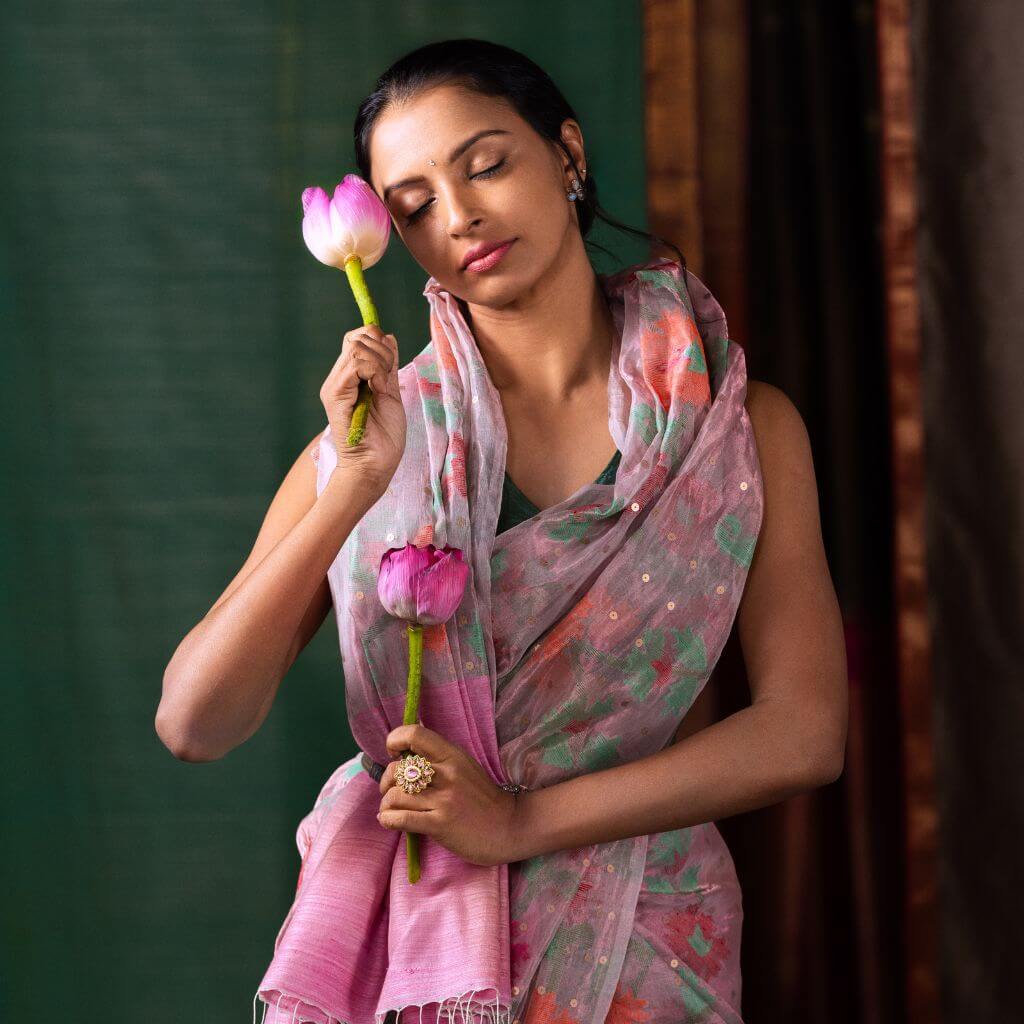
It is also proof of what happens when a designer does not stand above tradition, but walks with it. When the artisan is not merely an executor, but a co-creator.
This is why we invite you to experience Bai Lou here. Whether you are a collector of handloom, a seeker of stories, or simply someone drawn by the promise of something unusually beautiful, this is for you.
Let these threads speak to you of where they come from and the people who wove them. Come see what alchemy still lives in the simplest things.


